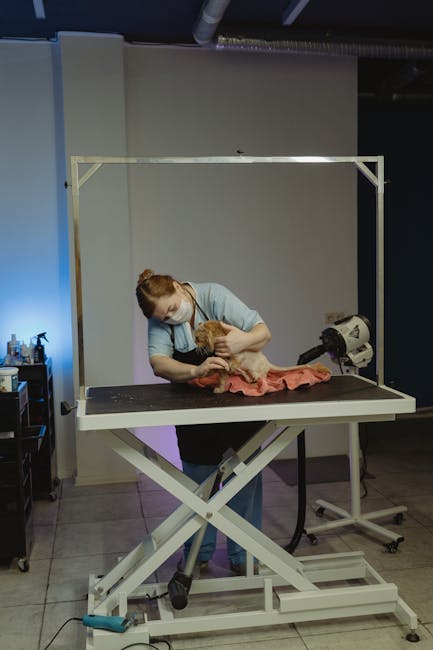
Understanding the Senior Pet Stage: Recognizing the Signs of Aging
The transition from adulthood to senior status in pets varies significantly depending on species and breed. Generally, small dogs and cats are considered seniors around age seven, while larger dog breeds may reach this stage as early as five or six. Recognizing the subtle signs of aging early on is crucial for proactive care.
Key indicators include:
-
Changes in Appetite and Weight: Decreased appetite can stem from dental issues, reduced sense of smell, or underlying health conditions. Conversely, some seniors experience increased appetite without weight gain, signaling problems like hyperthyroidism (especially in cats). Weight loss is a common concern due to muscle atrophy or malabsorption. Regular weight monitoring and diet adjustments, in consultation with a veterinarian, are essential.
-
Lethargy and Reduced Activity Levels: A noticeable decrease in energy, a reluctance to play, or prolonged periods of inactivity are common signs. This might manifest as shorter walks, reluctance to jump, or increased sleeping. While some slowing down is normal, it’s vital to rule out underlying causes like arthritis, heart disease, or other painful conditions.
-
Stiffness and Joint Pain: Arthritis is a prevalent condition in senior pets. Symptoms include stiffness upon rising, limping, reluctance to climb stairs or jump, and changes in gait. Gentle range-of-motion exercises and veterinary-prescribed pain management strategies can significantly improve comfort and mobility.
-
Cognitive Dysfunction Syndrome (CDS): Sometimes referred to as “doggy dementia” or cognitive decline in cats, CDS manifests as disorientation, changes in sleep patterns, house soiling, anxiety, and altered social interactions. There are medications and environmental modifications that can help manage CDS symptoms.
-
Changes in Grooming Habits: Cats may become less meticulous groomers due to arthritis or other mobility issues, resulting in matted fur. Dogs may exhibit a dull coat. Regular grooming assistance from owners is often necessary and provides an opportunity to check for lumps, bumps, and skin abnormalities.
-
Sensory Decline: Hearing and vision loss are common in senior pets. Clumsiness, bumping into objects, and increased startle responses can indicate vision impairment. Not responding to familiar sounds or barking/meowing excessively can signify hearing loss.
-
Dental Problems: Periodontal disease is highly prevalent in older pets. Symptoms include bad breath, excessive drooling, difficulty chewing, and red, swollen gums. Regular dental cleanings and at-home dental care are vital for maintaining oral health and preventing systemic infections.
Optimizing Nutrition for Senior Pets: Addressing Age-Related Dietary Needs
Senior pets have specific nutritional requirements to support their aging bodies and address potential health concerns. Diet modifications should be tailored to individual needs, considering factors like activity level, breed, and existing health conditions.
Key dietary considerations include:
-
Protein: Contrary to past beliefs, seniors typically require higher protein levels to maintain muscle mass and support immune function. The protein source should be high-quality and easily digestible.
-
Fat: Moderate levels of healthy fats are essential for energy, skin and coat health, and cognitive function. Omega-3 fatty acids, in particular, possess anti-inflammatory properties that can benefit joint health and cognitive function.
-
Fiber: Increased fiber intake can aid digestion, promote regularity, and help manage weight.
-
Vitamins and Minerals: Supplementation with antioxidants like Vitamin E and Vitamin C can help combat cellular damage and support immune function. Glucosamine and chondroitin are often recommended to support joint health.
-
Reduced Phosphorus: For pets with kidney disease, limiting phosphorus intake is crucial to slow disease progression.
-
Palatability: Senior pets may have decreased appetite or difficulty chewing. Soft, palatable foods that are easy to digest are often preferred. Warming the food slightly can enhance its aroma and appeal.
Consulting with a veterinarian or veterinary nutritionist is essential to determine the optimal diet for your senior pet.
Creating a Comfortable Environment: Modifying the Home for Senior Pets
As pets age, their physical abilities decline, and their environment may need adjustments to ensure their safety and comfort.
Essential home modifications include:
-
Easy Access: Provide ramps or steps to help pets access furniture, beds, and vehicles. Ensure easy access to food, water, and litter boxes.
-
Comfortable Bedding: Offer soft, supportive bedding in a warm, draft-free location. Orthopedic beds can provide extra comfort for pets with arthritis.
-
Non-Slip Flooring: Cover slippery floors with rugs or carpets to prevent falls and injuries.
-
Adequate Lighting: Ensure adequate lighting, especially at night, to help pets with vision impairment navigate their surroundings.
-
Temperature Control: Maintain a comfortable indoor temperature to prevent overheating or excessive chilling.
-
Quiet Spaces: Provide quiet, safe havens where pets can retreat when they feel overwhelmed or anxious.
-
Litter Box Accessibility: For cats, ensure the litter box has low sides and is easily accessible. Provide multiple litter boxes, especially in multi-level homes.
The Importance of Regular Veterinary Checkups: Early Detection and Preventive Care
Regular veterinary checkups are paramount for senior pets. These examinations allow for early detection of age-related health problems and proactive management of existing conditions.
Key components of senior pet checkups include:
-
Comprehensive Physical Examination: A thorough physical examination can reveal subtle signs of illness that may not be apparent at home.
-
Blood Work: Blood tests can assess organ function, detect infections, and identify underlying metabolic disorders.
-
Urinalysis: Urinalysis can help detect kidney disease, diabetes, and urinary tract infections.
-
Fecal Examination: Fecal examinations can identify intestinal parasites.
-
Dental Examination and Cleaning: Regular dental cleanings are essential for preventing periodontal disease and maintaining overall health.
-
Glaucoma Screening: Monitoring intraocular pressure helps detect glaucoma, a painful eye condition that can lead to blindness.
-
Cognitive Assessment: Veterinarians can assess cognitive function and identify signs of CDS.
-
Pain Assessment: Veterinarians can assess pain levels and develop appropriate pain management strategies.
The frequency of veterinary checkups should be determined in consultation with your veterinarian, but typically, senior pets benefit from semi-annual examinations.
Managing Common Age-Related Diseases: Addressing Specific Health Concerns
Senior pets are more susceptible to certain age-related diseases. Early diagnosis and appropriate management are crucial for improving quality of life.
Common conditions include:
-
Arthritis: Management strategies include weight management, pain medication, joint supplements, physical therapy, and environmental modifications.
-
Kidney Disease: Dietary management (low phosphorus, moderate protein), medications, and fluid therapy can help slow disease progression.
-
Heart Disease: Medications, dietary modifications (low sodium), and exercise restriction are often necessary to manage heart disease.
-
Diabetes: Insulin therapy, dietary management (consistent carbohydrate intake), and regular monitoring are essential for managing diabetes.
-
Cancer: Treatment options depend on the type and stage of cancer and may include surgery, chemotherapy, radiation therapy, or palliative care.
-
Cognitive Dysfunction Syndrome (CDS): Medications, environmental enrichment, and dietary changes can help manage CDS symptoms.
Mental and Emotional Well-being: Enrichment and Socialization
Maintaining mental and emotional well-being is crucial for senior pets. Providing enrichment and socialization opportunities can help keep them engaged and happy.
Strategies for promoting mental and emotional well-being include:
-
Puzzle Toys: Puzzle toys provide mental stimulation and encourage problem-solving skills.
-
Short Walks: Gentle walks provide exercise and sensory stimulation.
-
Social Interaction: Continue to provide opportunities for social interaction with familiar people and pets, as long as the pet enjoys it.
-
Gentle Grooming: Grooming can be a bonding experience and provides an opportunity to check for any health problems.
-
Training and Learning: Even senior pets can learn new tricks or commands, providing mental stimulation and strengthening the bond with their owners.
-
Comfort and Security: Provide a safe, comfortable, and predictable environment.
End-of-Life Care: Making Difficult Decisions with Compassion
As pets age, their health may decline to the point where end-of-life decisions must be considered. These decisions are incredibly difficult, but it’s essential to prioritize the pet’s comfort and quality of life.
Factors to consider when assessing quality of life include:
-
Pain Management: Is pain adequately controlled?
-
Mobility: Can the pet move around comfortably?
-
Appetite: Is the pet eating and drinking?
-
Hygiene: Can the pet maintain cleanliness?
-
Social Interaction: Is the pet able to interact with its family?
-
Enjoyment of Life: Is the pet still enjoying life?
Euthanasia is a compassionate option to relieve suffering when quality of life has declined significantly. Discussing end-of-life options with your veterinarian is essential to make informed decisions that are in the best interest of your pet. Consider hospice care to provide comfort and support during the final stages of life. Remember to cherish the bond and memories you shared with your senior companion.