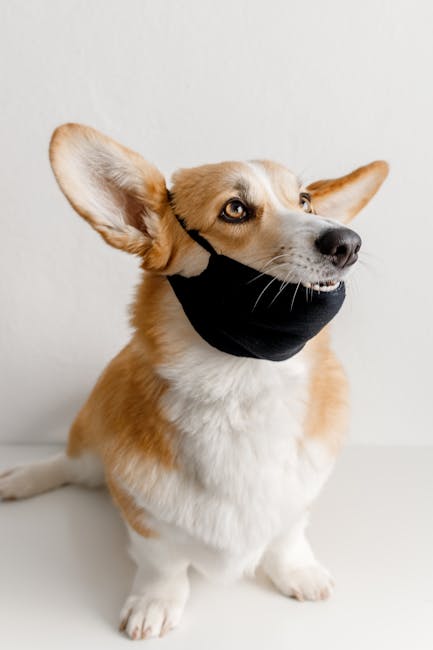
Spring Awakening: Pet Care for the Blooming Season
Spring heralds a period of renewal, but it also brings unique challenges for pet owners. As temperatures rise and flora explodes, understanding these changes and adapting your pet care routine is crucial for their well-being.
-
Allergy Awareness: Spring is synonymous with pollen. Just like humans, pets can suffer from seasonal allergies. Common symptoms include excessive scratching, licking, rubbing their face, hair loss, skin rashes, and respiratory issues. Consult your veterinarian for diagnosis and treatment options. Antihistamines specifically formulated for pets, hypoallergenic shampoos, and regular paw wiping after outdoor excursions can offer relief. Remember that human antihistamines can be toxic to pets, so never administer them without veterinary guidance.
-
Parasite Prevention: Ticks, fleas, and heartworm-carrying mosquitoes become active in the spring. Re-establish your preventative medication schedule as prescribed by your veterinarian. This includes year-round heartworm prevention, even in areas with milder winters. Conduct thorough tick checks after outdoor activities, focusing on areas like the ears, neck, and between the toes. Learn how to properly remove ticks to avoid leaving the mouthparts embedded in the skin. Consider using tick and flea collars, topical treatments, or oral medications.
-
Spring Cleaning and Pet Safety: Spring cleaning is a common ritual. However, many cleaning products contain harsh chemicals that are toxic to pets. Opt for pet-friendly cleaning solutions or ensure that your pets are safely confined away from areas being cleaned. Store all cleaning products, fertilizers, pesticides, and gardening supplies out of reach. Be particularly cautious with products containing ethylene glycol (antifreeze), which is highly poisonous.
-
Gardening with Pets in Mind: Spring is also gardening season. Be mindful of the plants you choose. Many common garden plants are toxic to pets, including lilies, tulips, daffodils, azaleas, and rhododendrons. Research plants before purchasing them and consider using pet-safe alternatives. Keep pets away from freshly fertilized lawns or gardens until the fertilizer has been properly absorbed or watered in.
-
Weight Management: Winter inactivity can lead to weight gain in pets. Spring is an excellent time to increase their activity levels gradually. Start with shorter walks and play sessions and gradually increase the duration and intensity. Adjust their food portions accordingly, based on their activity level and weight goals. Consult your veterinarian for guidance on optimal weight management.
-
Grooming and Shedding: As temperatures rise, pets begin to shed their winter coats. Regular brushing is essential to remove loose fur and prevent matting. Use a brush appropriate for your pet’s coat type. Consider professional grooming services, especially for long-haired breeds. Regular bathing can also help to loosen dead fur.
-
Increased Outdoor Time and Supervision: Spring encourages more outdoor activities with pets. Ensure they are properly leashed and supervised to prevent them from running off or encountering hazards. Be aware of local leash laws and pet ordinances. Consider enrolling in obedience training to improve recall and overall control.
Summer Safety: Keeping Your Pet Cool and Comfortable
Summer presents significant dangers for pets due to high temperatures and increased outdoor activities. Heatstroke, dehydration, and paw burns are common concerns.
-
Heatstroke Prevention: Pets cannot regulate their body temperature as efficiently as humans. Never leave your pet unattended in a parked car, even for a few minutes. Temperatures inside a car can rise rapidly, even with the windows cracked, leading to heatstroke and death. Provide ample shade and fresh water when your pet is outdoors. Limit strenuous activity during the hottest part of the day. Signs of heatstroke include excessive panting, drooling, weakness, vomiting, and collapse. Seek immediate veterinary care if you suspect heatstroke.
-
Hydration is Key: Ensure your pet has access to fresh, clean water at all times. Carry water with you on walks and offer it frequently. Consider using a travel water bowl or a pet water bottle. Offer ice cubes as a refreshing treat. Watch for signs of dehydration, such as sunken eyes, dry gums, and decreased skin elasticity.
-
Paw Protection: Hot pavement can burn your pet’s paws. Avoid walking your pet on asphalt or concrete during the hottest part of the day. Walk on grass or shaded areas whenever possible. Use paw wax or booties to protect their paws. Check their paws regularly for burns or blisters.
-
Sun Protection: Pets with light-colored fur and skin are susceptible to sunburn, especially on their ears, nose, and around their eyes. Apply pet-safe sunscreen to these areas before prolonged sun exposure. Limit their time in direct sunlight during peak hours.
-
Water Safety: If your pet enjoys swimming, supervise them closely. Ensure they know how to exit the pool or other body of water safely. Rinse them off with fresh water after swimming to remove chlorine or salt. Be aware of blue-green algae blooms in natural bodies of water, which can be toxic to pets.
-
Fireworks and Anxiety: The loud noises of fireworks can cause anxiety and fear in many pets. Keep your pet indoors during firework displays. Provide a safe and comfortable space for them, such as a crate or den. Consider using calming aids or medications prescribed by your veterinarian. Desensitize your pet to loud noises gradually using recordings.
-
Travel Safety: If you are traveling with your pet, ensure they are properly secured in a carrier or crate. Never allow them to ride unrestrained in the car. Pack plenty of food, water, and medication. Research pet-friendly accommodations and activities at your destination.
Autumn Anticipation: Preparing for Cooler Weather
Autumn brings cooler temperatures and changing foliage. Preparing your pet for the transition is essential.
-
Arthritis Management: The cooler, damper weather can exacerbate arthritis in older pets. Consult your veterinarian about pain management strategies, such as medication, physical therapy, or joint supplements. Provide warm and comfortable bedding.
-
Increased Appetite: As temperatures drop, your pet may experience an increased appetite. Monitor their food intake carefully to prevent weight gain. Adjust their food portions as needed.
-
Shorter Days and Visibility: With shorter days, visibility decreases. Use reflective collars or vests when walking your pet at dawn or dusk. Consider using a light-up collar or leash for added visibility.
-
Leaf Pile Hazards: Be cautious of leaf piles, which can harbor hidden dangers such as insects, rodents, and toxic mushrooms. Prevent your pet from eating leaves.
-
Fall Allergies: Ragweed and other fall allergens can trigger allergies in sensitive pets. Monitor them for signs of allergies and consult your veterinarian if needed.
Winter Wellness: Ensuring Comfort and Safety in the Cold
Winter presents unique challenges for pet owners, including extreme cold, ice, and snow.
-
Hypothermia and Frostbite Prevention: Pets are susceptible to hypothermia and frostbite in cold weather. Limit their time outdoors during extreme cold. Provide them with a warm coat or sweater. Be especially cautious with short-haired breeds, puppies, and senior pets. Signs of hypothermia include shivering, weakness, and lethargy. Signs of frostbite include pale or discolored skin. Seek immediate veterinary care if you suspect hypothermia or frostbite.
-
Paw Protection from Ice and Salt: Salt and ice melt products can irritate or burn your pet’s paws. Wipe their paws with a damp cloth after being outdoors. Use paw wax or booties to protect their paws. Avoid walking your pet in areas where salt or ice melt has been applied.
-
Antifreeze Toxicity: Antifreeze is highly toxic to pets. Clean up any spills immediately and store antifreeze out of reach. Be aware of the signs of antifreeze poisoning, which include vomiting, incoordination, and seizures. Seek immediate veterinary care if you suspect antifreeze poisoning.
-
Indoor Enrichment: During the winter months, outdoor activity may be limited. Provide your pet with plenty of indoor enrichment, such as puzzle toys, interactive games, and training sessions.
-
Winter Weight Management: Winter inactivity can lead to weight gain. Monitor your pet’s weight and adjust their food portions accordingly. Continue to provide exercise, even if it’s indoors.
By proactively addressing the challenges and adapting to the opportunities presented by each season, you can ensure your pet’s health, safety, and well-being year-round. Regular veterinary checkups are crucial for early detection and prevention of seasonal health issues.