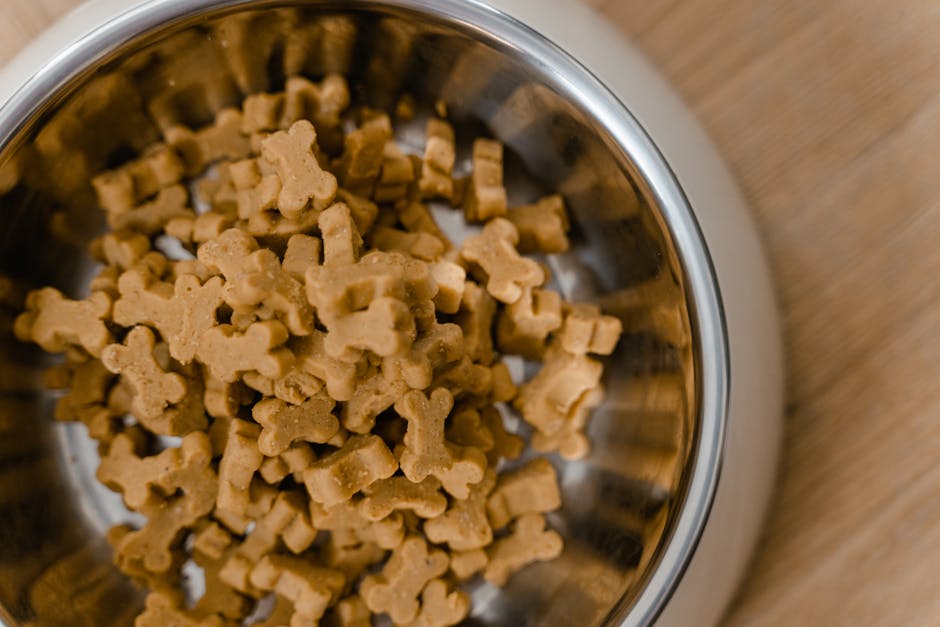
Understanding the Nutritional Needs of Senior Pets: A Comprehensive Guide
As our beloved animal companions age, their dietary needs undergo significant transformations. What once fueled their youthful exuberance may now contribute to health problems. Understanding these shifting requirements is crucial for ensuring their comfort, vitality, and longevity during their golden years. Senior pets, generally defined as dogs over seven years old and cats over eleven, experience a decline in metabolic rate, muscle mass, and organ function. This necessitates dietary adjustments to support their changing physiology and prevent age-related diseases.
Metabolic Rate and Calorie Requirements:
One of the primary changes in senior pets is a decrease in metabolic rate. This means they require fewer calories to maintain a healthy weight. Overfeeding can easily lead to obesity, which exacerbates existing conditions like arthritis, diabetes, and heart disease. Calculate your senior pet’s resting energy requirement (RER) using the following formula: RER = 70 x (body weight in kg)^0.75. This provides a baseline, but activity levels and individual needs should be considered. Adjust the RER based on your pet’s activity level: inactive pets may need only 1.2 times the RER, while moderately active pets may need 1.4-1.6 times the RER. Monitor your pet’s weight regularly and adjust their food intake accordingly. Look for weight loss or gain and consult with your veterinarian for personalized recommendations.
Protein: Maintaining Muscle Mass and Organ Function:
Despite the lower overall caloric needs, senior pets still require adequate protein intake. Protein is essential for maintaining muscle mass, supporting immune function, and facilitating enzyme and hormone production. In the past, there was a misconception that high protein diets could damage the kidneys. However, recent research indicates that restricting protein in healthy senior pets is not beneficial and may even be detrimental, leading to muscle loss (sarcopenia). Choose high-quality, easily digestible protein sources such as lean meats, poultry, fish, and eggs. Look for pet food labels that specify the source of the protein and avoid those with excessive amounts of plant-based fillers. For pets with pre-existing kidney disease, a moderate restriction in protein may be necessary, but this should be determined in consultation with a veterinarian.
Fats: Essential for Energy and Cognitive Function:
Healthy fats are crucial for providing energy, supporting cognitive function, and promoting healthy skin and coat. Omega-3 fatty acids, particularly EPA (eicosapentaenoic acid) and DHA (docosahexaenoic acid), are particularly beneficial for senior pets. They have anti-inflammatory properties that can help manage arthritis, improve cardiovascular health, and enhance cognitive function. Good sources of omega-3 fatty acids include fish oil, flaxseed oil, and algal oil. Ensure that the fat source is fresh and properly stored to prevent rancidity. Avoid excessive amounts of saturated and trans fats, which can contribute to weight gain and other health problems.
Fiber: Promoting Digestive Health:
Fiber plays an important role in digestive health and can help manage constipation and other gastrointestinal issues common in senior pets. It adds bulk to the stool, promoting regular bowel movements. Insoluble fiber, found in sources like wheat bran and psyllium husk, is particularly effective for this purpose. Soluble fiber, found in sources like beet pulp and oats, can help regulate blood sugar levels and promote a healthy gut microbiome. However, excessive fiber can interfere with nutrient absorption, so it’s important to find the right balance. Look for pet foods with moderate fiber content and consider supplementing with a small amount of fiber if your pet is experiencing constipation.
Vitamins and Minerals: Supporting Overall Health:
Senior pets may have difficulty absorbing certain vitamins and minerals, making supplementation necessary. Vitamin D is crucial for bone health and immune function, and deficiencies are common in older animals. B vitamins are important for energy metabolism and nerve function. Antioxidants like vitamins C and E can help protect against cellular damage caused by free radicals. Glucosamine and chondroitin sulfate are often added to senior pet foods to support joint health. However, the efficacy of these supplements can vary, and it’s important to choose high-quality products. Consult with your veterinarian about the specific vitamin and mineral needs of your senior pet.
Hydration: Preventing Dehydration and Kidney Problems:
Adequate hydration is essential for all pets, but it’s particularly important for senior pets, who are more prone to dehydration. Kidney function often declines with age, making it harder for them to conserve water. Ensure your pet has access to fresh, clean water at all times. Consider providing multiple water bowls throughout the house and encouraging them to drink by offering flavored water or wet food. Wet food has a higher moisture content than dry food and can help increase fluid intake. Monitor your pet for signs of dehydration, such as decreased skin elasticity, dry gums, and sunken eyes.
Dental Health: Making Eating Easier:
Dental problems are common in senior pets and can make it difficult for them to eat. Regular dental cleanings and good oral hygiene are essential for maintaining their ability to chew food properly. If your pet has dental issues, consider switching to a softer food that is easier to eat. Wet food or softened dry food can be good options. You can also try adding water or broth to their food to make it more palatable and easier to swallow.
Feeding Strategies for Senior Pets:
- Smaller, More Frequent Meals: Feeding smaller, more frequent meals can be easier on their digestive system and help maintain blood sugar levels.
- Elevated Food Bowls: Elevated food bowls can be beneficial for pets with arthritis or mobility issues, as they reduce the strain on their neck and joints.
- Puzzle Feeders: Puzzle feeders can provide mental stimulation and slow down eating, preventing overeating and digestive upset.
- Warm the Food: Warming the food slightly can enhance its aroma and palatability, encouraging picky eaters to eat.
- Monitor Food Intake: Carefully monitor your pet’s food intake and adjust the amount as needed to maintain a healthy weight.
Addressing Specific Health Conditions:
Certain health conditions, such as kidney disease, diabetes, and heart disease, require specific dietary modifications.
- Kidney Disease: A diet restricted in phosphorus and moderate in protein is often recommended for pets with kidney disease.
- Diabetes: A diet high in fiber and low in carbohydrates can help regulate blood sugar levels in diabetic pets.
- Heart Disease: A diet restricted in sodium and supplemented with taurine and L-carnitine may be beneficial for pets with heart disease.
Consulting with Your Veterinarian:
It is essential to consult with your veterinarian to determine the specific dietary needs of your senior pet. They can assess your pet’s overall health, identify any underlying conditions, and recommend a personalized diet plan. Regular checkups and blood tests can help monitor your pet’s health and identify any potential problems early on. Your veterinarian can also advise you on the best type of food, feeding schedule, and supplements for your senior pet. They can also help you monitor your pet’s weight and adjust their diet as needed to maintain a healthy body condition.