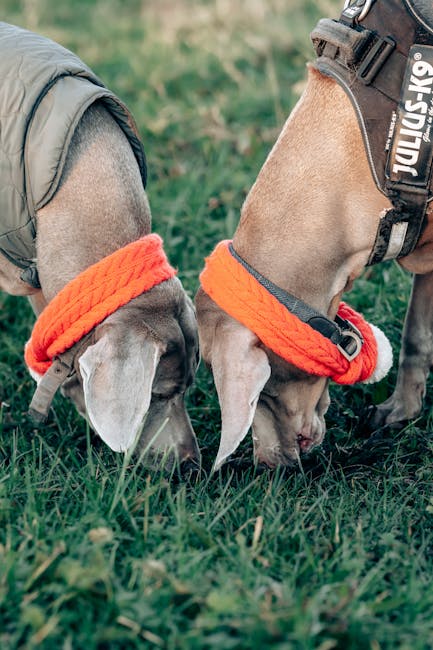
Positive Reinforcement: The Key to Effective Dog Training
Positive reinforcement stands as a cornerstone of modern, humane dog training methodologies. It’s a scientifically-backed approach built on the principles of operant conditioning, focusing on rewarding desired behaviors to increase their frequency. Unlike outdated methods relying on punishment or coercion, positive reinforcement fosters a strong bond between dog and owner, promoting a positive learning environment and leading to more reliable and enthusiastic responses. Understanding and implementing positive reinforcement effectively is crucial for building a well-behaved, confident, and happy canine companion.
The Science Behind the Reward:
The foundation of positive reinforcement lies in associating desired actions with positive consequences. When a dog performs a behavior you want to encourage, you immediately provide a reward. This reward can take many forms, including treats, praise, toys, petting, or even access to something the dog enjoys, like going for a walk. The key is that the reward must be something the dog values and finds motivating.
B.F. Skinner, a prominent psychologist, demonstrated the effectiveness of operant conditioning through his experiments. He showed that behaviors followed by positive consequences are more likely to be repeated, while behaviors followed by negative consequences are less likely to be repeated. In dog training, this translates to rewarding good behavior and ignoring (or redirecting) unwanted behavior. This approach avoids fear and anxiety, promoting a more cooperative and willing participant in the training process.
Choosing the Right Rewards:
Not all rewards are created equal. The most effective reward is highly motivating for the individual dog and appropriate for the context. Some dogs are primarily motivated by food, while others respond better to toys or praise. Experimentation is crucial to discovering what truly excites your dog.
- Food Treats: High-value treats are small, easily consumed, and incredibly palatable. Think small pieces of cooked chicken, cheese, hot dogs, or commercially available training treats. Lower-value treats, such as kibble, can be used for behaviors that are already well-established.
- Toys: For dogs with a strong prey drive or a love of fetching, toys can be an incredibly powerful reward. Use a favorite squeaky toy, a tug rope, or a ball to reinforce desired behaviors.
- Praise and Affection: Verbal praise (“Good boy!”, “Yes!”, “Fantastic!”) combined with petting or scratching can be a very rewarding experience for many dogs, especially when delivered enthusiastically.
- Life Rewards: These are opportunities that the dog finds inherently rewarding, such as going outside, playing with another dog, or being allowed to sniff a particular spot.
Variety in rewards is also important. Using a mix of different rewards keeps the dog engaged and prevents them from becoming bored or desensitized to any single reward.
Timing is Everything:
The timing of the reward is critical. The reward must be delivered immediately after the desired behavior occurs, ideally within 1-3 seconds. This creates a clear association in the dog’s mind between the action and the positive consequence. If the reward is delayed, the dog may associate it with a different behavior, leading to confusion and slower progress.
Clicker training is a valuable tool for improving the precision of timing. A clicker emits a distinct, consistent sound that can be used to mark the exact moment the dog performs the desired behavior. The clicker sound is then followed by a reward, creating a strong association between the sound and positive reinforcement. The clicker acts as a bridge, filling the gap between the behavior and the delivery of the reward.
Shaping Behavior:
Shaping is a technique used to gradually teach complex behaviors by rewarding successive approximations of the desired outcome. It involves breaking down the desired behavior into smaller, more manageable steps and rewarding the dog for each step they successfully complete.
For example, if you want to teach your dog to roll over, you would start by rewarding them for lying down. Then, you would reward them for shifting their weight to one side. Next, you would reward them for rolling onto their side. Finally, you would reward them for completing the roll. By rewarding each small step, you gradually guide the dog towards the complete behavior.
Fading the Lure:
A lure, often a food treat, is initially used to guide the dog into the desired position or movement. However, relying solely on the lure can hinder the dog’s understanding of the cue and create dependency. The goal is to fade the lure gradually as the dog begins to understand the behavior.
Start by using the lure to guide the dog, but then slowly reduce the reliance on the lure, using smaller movements and eventually just a hand gesture. As the dog becomes more proficient, you can introduce a verbal cue (“Roll over!”) and pair it with the hand gesture. Eventually, the dog should be able to perform the behavior on command, without the need for any lure or gesture.
Extinction Bursts and Consistency:
When transitioning from rewarding a behavior every time to rewarding it intermittently, you may encounter an extinction burst. This is a temporary increase in the frequency and intensity of the behavior as the dog tries harder to elicit the reward. It is important to remain consistent and not give in during the extinction burst, as this will reinforce the behavior you are trying to extinguish.
Consistency is paramount in positive reinforcement training. Everyone in the household should use the same cues and reward system to avoid confusing the dog. Consistency helps the dog learn quickly and reliably.
Troubleshooting Common Challenges:
- The dog is not motivated by food: Explore different types of treats and rewards to find what truly motivates your dog. Experiment with toys, praise, or life rewards.
- The dog is easily distracted: Train in a quiet environment with minimal distractions. Gradually introduce distractions as the dog becomes more focused.
- The dog is not learning the behavior: Break the behavior down into smaller steps and use shaping to gradually guide the dog towards the desired outcome.
- The dog only performs the behavior when treats are present: Fade the lure gradually and transition to intermittent reinforcement.
- The dog is exhibiting unwanted behaviors: Focus on redirecting the dog’s attention to a desired behavior and rewarding that behavior. Avoid punishment, as it can create fear and anxiety.
Addressing Problem Behaviors Without Punishment:
Positive reinforcement is not solely about rewarding good behavior; it also involves managing and addressing unwanted behaviors without resorting to punishment. Punishment can have negative consequences, including increased fear, anxiety, aggression, and a damaged relationship with the owner.
Instead of punishment, focus on the following strategies:
- Management: Modify the environment to prevent the dog from engaging in the unwanted behavior. For example, if the dog jumps on guests, keep them on a leash during greetings.
- Redirection: Redirect the dog’s attention to a more desirable behavior. For example, if the dog is barking at the mailman, redirect their attention to a toy or a chew.
- Ignoring: If the unwanted behavior is attention-seeking, such as whining or barking, ignore the dog until they stop.
- Differential Reinforcement: Reinforce a behavior that is incompatible with the unwanted behavior. For example, reward the dog for lying down while guests are present.
The Ethical Considerations:
Positive reinforcement is not only the most effective method of dog training; it is also the most ethical. It prioritizes the dog’s well-being and avoids causing fear, pain, or distress. It builds a strong, trusting relationship between dog and owner, based on mutual respect and understanding.
Conclusion:
Mastering positive reinforcement empowers dog owners to create a positive and enriching learning experience for their canine companions. It fosters a strong bond, promotes reliable behavior, and ultimately leads to a happier and more well-adjusted dog. Embracing this humane and effective approach is a commitment to ethical and responsible dog ownership.
