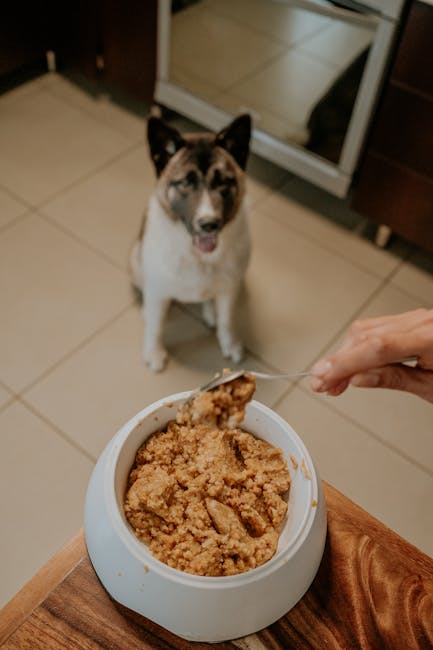
Decoding Thirst: Vital Pet Hydration Tips for Optimal Health
Understanding the Significance of Hydration:
Water is the lifeblood of all living beings, and our pets are no exception. It constitutes a significant portion of their body mass, facilitating essential physiological processes. From nutrient transportation and temperature regulation to waste elimination and joint lubrication, water plays a pivotal role in maintaining their overall health and vitality. Dehydration, even in mild forms, can disrupt these processes, leading to a cascade of health issues. Chronic dehydration can exacerbate existing conditions and contribute to the development of new ones, particularly kidney disease, urinary tract infections, and heatstroke. Understanding the importance of hydration is the first step in ensuring our furry companions thrive.
Recognizing the Signs of Dehydration:
Detecting dehydration in pets can be challenging, as they often mask their discomfort. However, vigilant observation can reveal subtle clues. The most common indicators include:
- Lethargy and Weakness: A noticeable decrease in energy levels and a reluctance to participate in activities they normally enjoy.
- Dry and Sticky Gums: Gently lift the upper lip and feel the gums. They should be moist and slick. Dryness or stickiness suggests dehydration.
- Sunken Eyes: The eyes may appear less prominent and the surrounding tissues may seem deflated.
- Decreased Skin Elasticity: Gently pinch the skin at the scruff of the neck. If the skin doesn’t snap back quickly, it indicates a loss of elasticity due to dehydration. This is often referred to as the “skin tent” test.
- Reduced Appetite: A disinterest in food, often accompanied by a decreased interest in water.
- Thick, Dark Urine: Concentrated urine is a sign that the kidneys are working harder to conserve water.
- Increased Panting (Dogs): Excessive panting, even in cool environments, can be a sign of dehydration and overheating.
If you observe any of these signs, it’s crucial to consult a veterinarian immediately.
Determining Your Pet’s Hydration Needs:
The amount of water your pet needs varies based on several factors, including:
- Species: Dogs generally require more water per pound of body weight than cats.
- Size: Larger animals require more water than smaller ones.
- Age: Puppies and kittens, as well as senior pets, are more susceptible to dehydration.
- Activity Level: Active pets require more water than sedentary ones.
- Diet: Pets fed primarily dry food need more water than those fed wet food.
- Environmental Conditions: Hot weather increases water requirements.
- Health Status: Certain medical conditions, such as kidney disease or diabetes, can increase water loss.
A general guideline for dogs is approximately 1 ounce of water per pound of body weight per day. For cats, the recommended intake is around 3.5 to 4.5 ounces of water per 5 pounds of body weight per day. These are just estimates; monitoring your pet’s water intake and adjusting accordingly is essential.
Strategic Water Placement and Access:
Making water readily available is fundamental to preventing dehydration. Consider these strategies:
- Multiple Water Bowls: Place water bowls in multiple locations throughout the house, especially in areas where your pet spends a lot of time.
- Vary Bowl Types: Some pets prefer certain types of bowls. Experiment with different materials (stainless steel, ceramic, glass) and shapes to find what your pet prefers.
- Elevated Bowls (Large Dogs): For large breeds, elevated bowls can improve posture and reduce strain on their neck and joints while drinking.
- Outdoor Water Sources: Provide access to fresh water outdoors, especially during warm weather. Consider using a pet-safe fountain or a large bowl in a shaded area.
- Travel Bowls: Always carry water and a portable bowl when traveling with your pet.
Encouraging Water Consumption:
Some pets, especially cats, are notorious for not drinking enough water. Here are some techniques to encourage them to drink more:
- Wet Food as a Hydration Booster: Incorporate wet food into your pet’s diet. Wet food has a high moisture content, which can significantly contribute to their overall hydration.
- Flavorful Water Enhancements: Add a small amount of low-sodium chicken or beef broth to the water to make it more appealing. Avoid using products with onion or garlic, which are toxic to pets.
- Ice Cubes: Some pets enjoy playing with and licking ice cubes, which can be a fun way to increase their water intake.
- Pet Water Fountains: Many pets are drawn to the sound and movement of running water. Pet water fountains provide a continuous supply of fresh, filtered water.
- Syringe Feeding (Under Veterinary Guidance): In severe cases of dehydration, your veterinarian may recommend syringe feeding water or electrolyte solutions. Only administer fluids via syringe under the guidance of a vet.
The Role of Diet in Hydration:
The type of food you feed your pet significantly impacts their hydration levels.
- Dry Food: Dry kibble has a low moisture content (around 10%), so pets fed exclusively dry food need to drink more water to stay adequately hydrated.
- Wet Food: Wet food contains a high moisture content (around 70-80%), providing a significant portion of their daily water needs.
- Raw Food: Raw food diets also have a high moisture content, similar to wet food.
- Supplementing with Water-Rich Foods: Offer small amounts of water-rich fruits and vegetables as healthy snacks. Examples include watermelon, cucumber, and berries (in moderation).
Hydration Strategies for Different Life Stages:
- Puppies and Kittens: These young animals are more vulnerable to dehydration and require frequent access to fresh water.
- Senior Pets: Older pets may have decreased kidney function or other age-related health issues that can increase their risk of dehydration.
- Active Pets: Working dogs and highly active cats require more water to replenish fluids lost through exercise.
Monitoring and Addressing Potential Issues:
- Track Water Intake: Monitor your pet’s water bowl levels to get a sense of how much they are drinking.
- Regular Veterinary Checkups: Regular veterinary checkups can help identify underlying health conditions that may affect hydration.
- Be Prepared for Emergencies: Know how to recognize the signs of heatstroke and be prepared to provide first aid while seeking veterinary care.
Addressing Common Myths and Misconceptions:
- Myth: Pets will drink when they are thirsty.
- Reality: While this is often true, some pets may not drink enough, especially if water is not readily available or if they are not feeling well.
- Myth: Adding ice to water is harmful to pets.
- Reality: Ice is generally safe for pets in moderation. However, excessive ice consumption can sometimes cause stomach upset.
- Myth: All pets require the same amount of water.
- Reality: As mentioned earlier, water requirements vary based on several factors.
- Myth: Dehydration is only a concern in hot weather.
- Reality: Dehydration can occur year-round, especially in pets with underlying health conditions.
By understanding these principles and implementing these strategies, you can ensure your pet stays properly hydrated and enjoys a long and healthy life.