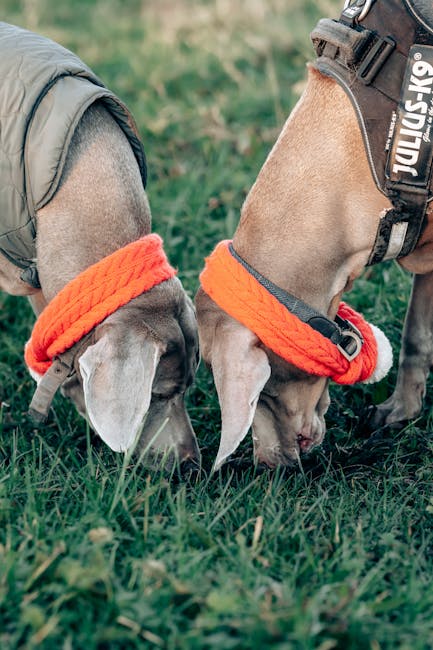
Simple Dog Agility Training: A Beginner’s Guide Understanding Dog Agility Dog agility isn’t just about running a course; it’s a partnership built on trust, communication, and positive reinforcement. At its core, agility training involves guiding your dog through a pre-set course of obstacles like jumps, tunnels, weave poles, and A-frames, all while emphasizing speed and …
Training Tips
Tricks to Teach Your Cat: Fun and Engaging Activities
Tricks to Teach Your Cat: Fun and Engaging Activities Teaching your cat tricks isn’t just about showing off; it’s a fantastic way to strengthen your bond, provide mental stimulation, and enrich your cat’s life. Contrary to popular belief, cats are highly trainable, albeit with a slightly different approach than dogs. Patience, positive reinforcement, and understanding …
Dog Recall Training: A Lifesaving Command
Dog Recall Training: A Lifesaving Command The Foundation of a Reliable Recall: Building a Positive Association Dog recall training is more than just teaching your dog to come when called; it’s building a relationship of trust and positive reinforcement. A reliable recall can be the difference between a minor inconvenience and a life-threatening situation. Before …
Puppy Socialization: Exposing Your Puppy to the World
Puppy Socialization: Exposing Your Puppy to the World The Critical Socialization Window: A Foundation for Life The socialization window, a period roughly between 3 and 16 weeks of age, is a crucial phase in a puppy’s development. During this time, their brains are highly receptive to new experiences. Positive interactions during this period shape their …
Training Dogs to Stay Calm: Reducing Anxiety and Hyperactivity
Understanding Canine Anxiety and Hyperactivity: Roots and Manifestations Before embarking on any training regimen, understanding the why behind a dog’s anxious or hyperactive behavior is paramount. Canine anxiety, like its human counterpart, stems from various sources, impacting their emotional and behavioral responses. Genetic predisposition plays a significant role; some breeds are inherently more prone to …
Housebreaking Dogs: A Guide to Success
Understanding the Principles of Housebreaking Housebreaking, also known as potty training or toilet training, is teaching your dog to eliminate urine and feces in a designated outdoor area, rather than inside your home. This process involves establishing a consistent routine, understanding your dog’s signals, and using positive reinforcement techniques. It requires patience, consistency, and understanding. …
Leash Walking Tips for Puppies: Starting Off on the Right Paw
Choosing the Right Gear for Leash Walking Success The journey to enjoyable leash walks begins long before you clip on the leash. Selecting the right equipment is crucial for your puppy’s comfort and safety, fostering a positive association with the process. Collar vs. Harness: This is a common debate. For puppies, a lightweight, adjustable collar …
Clicker Training for Beginners: A Simple and Effective Method
Instead, begin immediately with the first subtopic. Understanding the Clicker: Your Communication Bridge The clicker, a small handheld device that emits a distinct clicking sound, is the cornerstone of clicker training. Its purpose isn’t magical; it’s purely informational. Think of it as a precise marker, instantly pinpointing the exact moment your animal (dog, cat, horse, …
Decoding Cat Behavior: Understanding Your Feline Friend
Decoding Cat Behavior: Understanding Your Feline Friend Body Language: A Window into Their World A cat’s body language is a complex symphony of postures, tail movements, ear positions, and facial expressions. Learning to interpret these signals is paramount to understanding their emotional state and building a stronger bond. The Tail Tell: A vertical tail, often …
How to Train a Stubborn Dog: Patience and Persistence
Understanding the Stubborn Canine: Decoding Resistance Before embarking on the training journey with a stubborn dog, it’s crucial to understand the underlying reasons for their resistance. “Stubbornness” is often a misinterpretation of a dog’s behavior. It’s less about defiance and more about factors like independent thinking, low motivation for traditional rewards, and a strong prey …