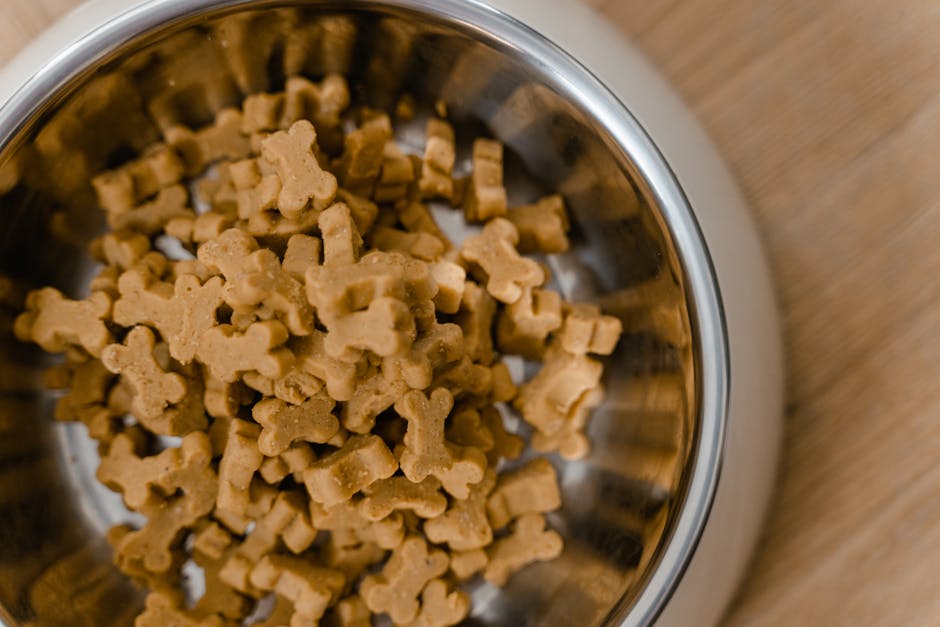
Homemade Cat Treat Adventures: Recipes and Considerations
Crafting homemade cat treats offers control over ingredients, catering to specific dietary needs and preferences. This approach can be cost-effective and deeply rewarding, fostering a stronger bond with your feline companion. Prioritize safety and consult with your veterinarian before making significant dietary changes, especially if your cat has pre-existing health conditions.
Salmon Sensations: Omega-3 Rich Delights
Salmon, a powerhouse of omega-3 fatty acids, contributes to a healthy coat, supports joint health, and may even boost cognitive function. Ensure you use cooked salmon, never raw, to eliminate the risk of parasites and bacterial contamination.
- Recipe 1: Salmon & Oat Cakes: Combine 1 cup cooked, flaked salmon (skin and bones removed) with 1/2 cup rolled oats, 1 egg (for binding), and 1 tablespoon of catnip (optional). Mix thoroughly. Drop small spoonfuls onto a baking sheet lined with parchment paper. Bake at 350°F (175°C) for 15-20 minutes, or until lightly golden. Cool completely before serving.
- Recipe 2: Salmon & Sweet Potato Bites: Steam or bake 1/2 cup of sweet potato until soft. Mash and combine with 1/2 cup cooked, flaked salmon. Roll into small balls and refrigerate for at least an hour before serving. The sweet potato adds fiber and a touch of sweetness.
- Considerations: Be mindful of potential salmon allergies. Start with a small portion and monitor your cat for any adverse reactions, such as digestive upset or skin irritation. Opt for wild-caught salmon when possible, as it’s generally lower in contaminants.
Tuna Temptations: A Classic Feline Favorite
Tuna is another popular and palatable option, but it should be offered sparingly due to its mercury content. Choose tuna packed in water, not oil or brine, to minimize added sodium and fat.
- Recipe 1: Tuna & Catnip Crisps: Mix 1 can (5 oz) of tuna (drained) with 1/4 cup whole wheat flour, 1 tablespoon of olive oil, and 2 tablespoons of dried catnip. Form into small, thin crackers on a baking sheet. Bake at 325°F (160°C) for 15-20 minutes, flipping halfway through, until crispy.
- Recipe 2: Tuna & Egg Yolk Treats: Combine 1 can (5 oz) of tuna (drained) with 2 hard-boiled egg yolks (mashed). Mix well and roll into small balls. Refrigerate for at least 30 minutes before serving. Egg yolks provide additional protein and nutrients.
- Considerations: Limit tuna treats to once or twice a week to avoid excessive mercury exposure. Check the tuna for any bones before incorporating it into the recipe. Freshly caught tuna is rarely an option for home treat making and presents significant parasite risks.
Chicken Charmers: High-Protein Pleasures
Chicken, a lean protein source, is generally well-tolerated by cats. Always ensure the chicken is thoroughly cooked and free of bones, skin, and seasoning before using it in homemade treats.
- Recipe 1: Chicken & Rice Balls: Boil or bake 1 cup of boneless, skinless chicken breast. Shred and combine with 1/2 cup cooked brown rice (cooled). Add a small amount of chicken broth (low sodium) for moisture. Roll into small balls and refrigerate.
- Recipe 2: Chicken Liver Pate: Boil chicken livers until fully cooked. Drain and blend in a food processor until smooth. Add a small amount of plain, unsweetened yogurt or goat milk for creaminess. Serve a small spoonful as a treat.
- Considerations: Chicken liver is high in vitamin A, so offer it in moderation to avoid hypervitaminosis A. Ensure all chicken is cooked to an internal temperature of 165°F (74°C) to eliminate harmful bacteria.
Vegetarian Variations: Plant-Based Possibilities
While cats are obligate carnivores, small amounts of certain vegetables can be incorporated into their diet for added fiber and nutrients. Always cook vegetables thoroughly before giving them to your cat.
- Recipe 1: Pumpkin & Oat Cookies: Combine 1/2 cup pumpkin puree (plain, not pie filling) with 1/2 cup rolled oats, 1 tablespoon of olive oil, and a pinch of cinnamon. Form into small cookies and bake at 350°F (175°C) for 15-20 minutes.
- Recipe 2: Carrot & Zucchini Bites: Steam or boil 1/4 cup each of grated carrot and zucchini until soft. Drain well and mash. Mix with 1/4 cup cooked quinoa or rice. Form into small bites.
- Considerations: Some cats may not tolerate vegetables well, so introduce them gradually. Avoid vegetables known to be toxic to cats, such as onions, garlic, and grapes. Limit the amount of vegetables to a small percentage of the overall treat.
Dairy Delights: Lactose-Free Alternatives
Many cats are lactose intolerant, so cow’s milk is generally not recommended. However, lactose-free dairy options, such as goat milk or plain, unsweetened yogurt, can be offered in small amounts.
- Recipe 1: Frozen Yogurt Bites: Freeze plain, unsweetened yogurt (lactose-free) in ice cube trays. Offer one or two cubes as a refreshing treat, especially during warmer months.
- Recipe 2: Goat Milk Pudding: Mix 1/4 cup goat milk with 1 teaspoon of plain gelatin powder. Heat gently until the gelatin dissolves. Pour into small molds and refrigerate until set.
- Considerations: Ensure the yogurt is free of artificial sweeteners, especially xylitol, which is toxic to cats. Start with a small amount of goat milk to assess tolerance.
Essential Safety Guidelines for Homemade Cat Treats
- Ingredient Sourcing: Use high-quality, human-grade ingredients. Avoid using expired or spoiled ingredients.
- Hygiene: Wash your hands thoroughly before preparing treats. Use clean utensils and surfaces.
- Storage: Store homemade treats properly to prevent spoilage. Refrigerate perishable treats in an airtight container for up to a week. Dry treats can be stored in an airtight container at room temperature for up to two weeks.
- Portion Control: Treats should only constitute a small percentage of your cat’s daily calorie intake. Overfeeding treats can lead to weight gain and other health problems.
- Toxic Ingredients: Be aware of ingredients that are toxic to cats, including onions, garlic, chocolate, grapes, raisins, xylitol, alcohol, raw dough, and macadamia nuts.
- Supervision: Always supervise your cat while they are eating treats, especially small or crunchy treats, to prevent choking.
- Veterinary Consultation: Consult with your veterinarian before introducing new treats, especially if your cat has any health conditions or dietary sensitivities.
- Observation: Monitor your cat for any adverse reactions after eating a new treat, such as vomiting, diarrhea, or skin irritation.
- Bone Removal: Meticulously remove all bones from fish and poultry before using them in treats. Small bones can be a choking hazard and can cause internal damage.
- Allergy Awareness: Be aware of potential allergens, such as wheat, soy, and dairy. If you suspect your cat has an allergy, consult with your veterinarian. Consider hypoallergenic recipes using novel proteins.
- Baking Temperatures and Times: Adhere to recommended baking temperatures and times to ensure the treats are fully cooked and safe to eat. Undercooked treats can harbor harmful bacteria.
By following these guidelines and prioritizing safety, you can create delicious and nutritious homemade cat treats that your feline friend will adore. Remember that moderation and a balanced diet are key to your cat’s overall health and well-being. Always consult with your veterinarian if you have any concerns about your cat’s diet.
