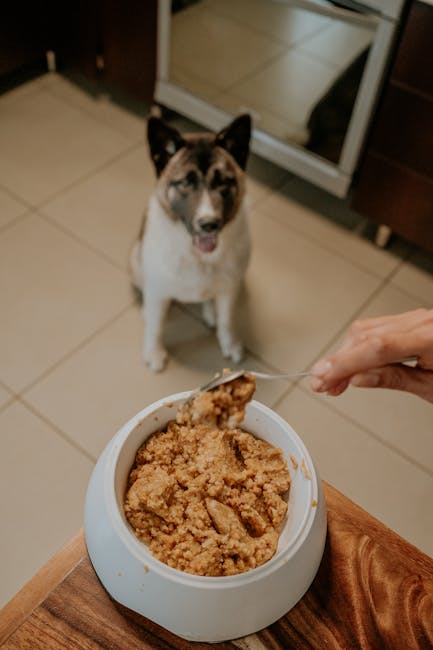
Navigating Puppy Nutrition: A Comprehensive Guide to the Best Dog Food Choices
Choosing the right dog food for your puppy is paramount to their healthy development and lifelong well-being. Puppies have significantly different nutritional needs than adult dogs, requiring specific levels of protein, fat, carbohydrates, vitamins, and minerals to support rapid growth and development. This guide delves into the complexities of puppy nutrition, providing a detailed overview of essential nutrients, different food types, and considerations for selecting the best food for your furry friend.
Understanding Puppy Nutritional Needs:
A puppy’s diet must fuel their accelerated growth spurt, which can be quite substantial depending on the breed. Giant breeds, for example, require careful monitoring of calcium and phosphorus levels to prevent skeletal problems. Here’s a breakdown of the crucial nutrients:
-
Protein: Essential for muscle development, tissue repair, and enzyme production. Puppy food should contain a higher percentage of protein than adult dog food. Look for foods with named meat sources as the primary ingredient (e.g., chicken, lamb, beef, fish). Avoid foods listing generic “meat meal” without specifying the source. An AAFCO statement guaranteeing growth should state at least 22% protein on a dry matter basis.
-
Fat: A concentrated source of energy, vital for brain development, hormone production, and absorption of fat-soluble vitamins (A, D, E, and K). Fats also contribute to healthy skin and coat. Choose foods with sources like chicken fat, fish oil, or flaxseed oil. An AAFCO statement guaranteeing growth should state at least 8% fat on a dry matter basis.
-
Carbohydrates: Provide energy and fiber. While not as crucial as protein and fat, carbohydrates contribute to overall health. Opt for easily digestible carbohydrates like brown rice, oats, or sweet potatoes. Avoid foods with excessive fillers like corn, wheat, or soy, which can be difficult for some puppies to digest and may contribute to allergies.
-
Calcium and Phosphorus: Critical for bone and teeth development. The ratio of calcium to phosphorus is crucial, especially for large breed puppies. An imbalance can lead to skeletal problems like hip dysplasia or osteochondrosis. Aim for a calcium-to-phosphorus ratio between 1:1 and 2:1. Large breed puppy food is specifically formulated to manage these mineral levels.
-
DHA (Docosahexaenoic Acid): An omega-3 fatty acid vital for brain and vision development. Look for foods supplemented with DHA from fish oil or algae.
-
Vitamins and Minerals: Essential for various bodily functions, including immune system support, enzyme production, and bone health. Puppy foods should be fortified with a comprehensive blend of vitamins and minerals. Examples include Vitamin A, Vitamin D, Vitamin E, B vitamins, iron, zinc, and copper.
Types of Puppy Food:
Puppy food comes in various forms, each with its advantages and disadvantages:
-
Dry Kibble: The most common and often most affordable option. It’s convenient to store and measure, and the chewing action can help clean teeth. Look for kibble specifically sized for puppies to make it easier to eat. Hydrating dry kibble with water can make it softer for younger puppies.
-
Wet Food (Canned): Higher in moisture content than dry kibble, making it a good choice for puppies who need extra hydration or have difficulty chewing. Wet food is generally more palatable but can be more expensive and less convenient to store. After opening, refrigerate any leftover portions to prevent spoilage.
-
Semi-Moist Food: Less common now, these foods contain a higher moisture content than dry kibble but less than wet food. They are often highly palatable but may contain more additives and preservatives.
-
Raw Food: A diet consisting of raw meat, bones, and organs. Raw feeding is a controversial topic, and it’s crucial to consult with a veterinarian or veterinary nutritionist before switching your puppy to a raw diet. Improper preparation or handling can lead to bacterial contamination and health risks for both the puppy and the owner. Always source raw food from reputable suppliers who follow strict hygiene protocols.
-
Freeze-Dried Food: A convenient option that combines the benefits of raw feeding with the convenience of dry food. Freeze-dried food is made by removing moisture from raw ingredients, preserving their nutritional value. Rehydrate with water before feeding.
Choosing the Right Food for Your Puppy:
Several factors influence the best food choice for your puppy:
-
Breed Size: Small, medium, large, and giant breeds have different growth rates and nutritional needs. Large and giant breed puppies require foods specifically formulated to control their growth rate and prevent skeletal problems. Small breed puppies need nutrient-dense food in smaller kibble sizes.
-
Age: Puppy food is generally recommended until the puppy reaches adulthood. This timeframe varies depending on the breed. Small breeds typically transition to adult food around 9-12 months, while large and giant breeds may need puppy food for up to 18-24 months. Consult your veterinarian for guidance.
-
Activity Level: More active puppies require more calories than less active puppies. Adjust feeding amounts accordingly.
-
Health Conditions: Puppies with specific health conditions, such as allergies or sensitivities, may require specialized diets. Consult your veterinarian to determine the best food for your puppy’s individual needs.
-
Ingredient Quality: Prioritize foods with high-quality, whole-food ingredients. Look for named meat sources, whole grains, and fruits and vegetables. Avoid foods with artificial colors, flavors, and preservatives.
-
AAFCO Statement: Look for an AAFCO (Association of American Feed Control Officials) statement on the food label indicating that the food is “complete and balanced” for growth. This statement ensures that the food meets the minimum nutritional requirements for puppies.
Reading Food Labels:
Understanding how to read a dog food label is crucial for making informed decisions:
-
Ingredient List: Ingredients are listed in descending order by weight. The first few ingredients should be named meat sources.
-
Guaranteed Analysis: Provides information on the percentage of protein, fat, fiber, and moisture in the food.
-
Feeding Guidelines: Provide a starting point for determining how much food to feed your puppy. Adjust the amount based on your puppy’s individual needs and body condition.
-
Manufacturer Information: Look for the manufacturer’s name and contact information in case you have questions or concerns.
Transitioning to Puppy Food:
When bringing a new puppy home, gradually transition them to the new food over 5-7 days to avoid digestive upset. Start by mixing a small amount of the new food with the old food, gradually increasing the proportion of the new food over several days.
Feeding Frequency and Portion Size:
Puppies typically need to be fed more frequently than adult dogs. Young puppies (8-12 weeks) may need to be fed 3-4 times per day. As they grow, you can gradually reduce the frequency to 2-3 times per day. Consult the feeding guidelines on the food label as a starting point, and adjust the portion size based on your puppy’s individual needs and body condition. You should be able to easily feel your puppy’s ribs without seeing them. If you can’t feel the ribs, reduce the portion size. If the ribs are too prominent, increase the portion size.
Potential Issues and Concerns:
-
Food Allergies: If your puppy develops signs of food allergies, such as itchy skin, digestive upset, or ear infections, consult your veterinarian. Common food allergens include beef, chicken, dairy, wheat, and soy. Your veterinarian may recommend an elimination diet to identify the offending ingredient.
-
Digestive Upset: Introducing new foods too quickly or feeding too much can lead to digestive upset, such as vomiting or diarrhea. Always transition to new foods gradually and monitor your puppy for any signs of digestive problems.
-
Obesity: Overfeeding can lead to obesity, which can contribute to a variety of health problems. Measure your puppy’s food carefully and avoid giving too many treats.
Consulting with Your Veterinarian:
Your veterinarian is the best resource for personalized advice on choosing the right food for your puppy. They can assess your puppy’s individual needs, breed size, activity level, and health conditions to recommend the most appropriate diet. Don’t hesitate to seek their guidance.