Homemade Healthy Pet Meals: A Comprehensive Guide to Nourishing Your Furry Friend
Understanding Nutritional Needs: A Foundation for Homemade Diets
The bedrock of any successful homemade pet food plan is a deep understanding of their specific nutritional requirements. Dogs and cats, while both carnivores, have different needs. Dogs are omnivores, requiring a blend of meat, vegetables, and grains, while cats are obligate carnivores, needing a diet primarily based on meat. Age, breed, activity level, and health status further refine these requirements.
- Macronutrients: Protein is crucial for muscle development and repair, with different amino acid profiles needed by dogs and cats. Fats provide energy and support hormone production, with omega-3 and omega-6 fatty acids being particularly important for skin and coat health. Carbohydrates, while less critical for cats, offer energy and fiber for dogs, aiding in digestion.
- Micronutrients: Vitamins and minerals are essential for various bodily functions. Vitamin A is crucial for vision, Vitamin D for calcium absorption, Vitamin E for antioxidant protection, and B vitamins for energy metabolism. Minerals like calcium and phosphorus are vital for bone health, iron for blood production, and zinc for immune function.
- AAFCO Guidelines: The Association of American Feed Control Officials (AAFCO) provides guidelines for minimum nutrient levels in pet food. While not legally binding for homemade diets, referencing AAFCO recommendations is crucial to ensure your pet receives adequate nutrition. Consult with a veterinary nutritionist or a board-certified veterinary dietitian to ensure your homemade meals meet these requirements. They can help you formulate a balanced and complete diet tailored to your pet’s individual needs.
- Hydration: Water is just as important as food. Always ensure your pet has access to fresh, clean water. You can increase water intake by adding moisture to their food, such as bone broth or water itself.
Ingredient Selection: Prioritizing Quality and Safety
The quality of ingredients directly impacts the nutritional value and safety of homemade pet meals. Choosing fresh, whole foods is paramount.
- Protein Sources: Opt for lean meats like chicken breast, turkey, lean ground beef, or fish (salmon, tuna, cod). Organs such as liver, kidney, and heart are nutrient-dense but should be offered in moderation due to their high vitamin A content. Eggs are an excellent source of protein and essential amino acids.
- Carbohydrate Sources (Dogs): Choose digestible carbohydrates like cooked sweet potatoes, brown rice, quinoa, oatmeal, or barley. Avoid ingredients like corn and soy, which can be allergenic for some dogs.
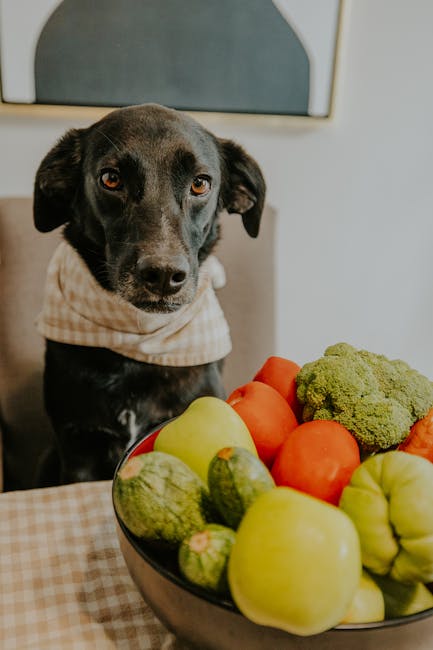
- Vegetable Sources: Incorporate a variety of colorful vegetables, such as carrots, broccoli, green beans, spinach, and blueberries. These are rich in vitamins, minerals, and antioxidants. Avoid onions, garlic, grapes, raisins, and avocados, as they are toxic to dogs and cats.
- Fat Sources: Healthy fats can be obtained from fish oil (salmon oil is an excellent source of omega-3 fatty acids), flaxseed oil, olive oil, or coconut oil. These contribute to skin and coat health and provide essential fatty acids.
- Bone and Calcium Sources: If you’re feeding a raw diet, you need to include a safe source of calcium. This can be achieved by incorporating ground bone (raw meaty bones) or using a calcium supplement like bone meal or calcium carbonate. Dosage is crucial and should be determined under veterinary guidance.
- Supplementation: Homemade diets often require supplementation to meet all nutritional needs. Common supplements include taurine (especially for cats), omega-3 fatty acids, a multivitamin, and calcium. A veterinary nutritionist can help determine the specific supplements your pet requires.
Recipe Formulation: Balancing Ingredients for Optimal Health
Creating a balanced recipe requires careful consideration of ingredient ratios and portion sizes. There’s no one-size-fits-all recipe, as individual needs vary.
- Basic Dog Recipe Guidelines: A general guideline for a balanced dog recipe is approximately 40% protein, 30% carbohydrates, and 30% vegetables, supplemented with healthy fats and essential vitamins and minerals.
- Basic Cat Recipe Guidelines: A cat’s diet should be significantly higher in protein. A rough guideline is 50-60% protein, 20-30% fat, and a minimal amount of carbohydrates (5-10%), supplemented with taurine and other essential nutrients.
- Portion Control: Determining the correct portion size is crucial for maintaining a healthy weight. Start with a recommended daily calorie intake based on your pet’s weight and activity level. Monitor their weight and adjust portions accordingly. Overfeeding can lead to obesity, while underfeeding can result in nutrient deficiencies.
- Recipe Examples (Illustrative):
- Dog Recipe (per 100g serving): 40g cooked chicken breast, 30g cooked sweet potato, 30g steamed broccoli, 1 tsp salmon oil, appropriate vitamin and mineral supplement.
- Cat Recipe (per 100g serving): 60g cooked chicken thigh (no skin), 30g chicken heart, 10g cooked pumpkin (for fiber), 1/4 tsp taurine supplement, appropriate vitamin and mineral supplement.
- Recipe Calculators: Several online resources and veterinary nutritionists offer recipe calculators that can help you formulate balanced recipes based on your pet’s individual needs and the AAFCO guidelines.
Preparation and Storage: Ensuring Food Safety and Freshness
Proper preparation and storage are vital to prevent bacterial contamination and maintain the nutritional integrity of homemade pet meals.
- Hygiene: Wash your hands thoroughly before and after preparing pet food. Use clean utensils and cutting boards to avoid cross-contamination.
- Cooking Methods: Cook meat thoroughly to kill harmful bacteria. Boiling, baking, or steaming are preferred methods. Avoid frying, as it adds unnecessary fats. Cook carbohydrates until soft and digestible.
- Raw Feeding Considerations: Raw feeding requires strict hygiene protocols to minimize the risk of bacterial contamination (Salmonella, E. coli). Always source high-quality, human-grade meat and bones. Freeze meat for at least three weeks to reduce parasite risk. Separate cutting boards and utensils should be used exclusively for raw meat. Consult with a veterinarian knowledgeable in raw feeding to ensure you are following safe practices.
- Storage: Store homemade pet food in airtight containers in the refrigerator for up to 3-4 days. For longer storage, freeze in individual portions. Thaw food in the refrigerator before serving. Never leave food out at room temperature for more than two hours.
- Freezing Techniques: To preserve freshness and prevent freezer burn, wrap individual portions tightly in plastic wrap and then place them in freezer bags. Label each portion with the date and contents.
Transitioning to a Homemade Diet: Gradual Adaptation
Switching to a homemade diet should be done gradually to avoid digestive upset.
- Slow Introduction: Start by mixing a small amount of the homemade food (10-25%) with your pet’s current food. Gradually increase the proportion of homemade food over 7-10 days, while decreasing the amount of the old food.
- Monitoring Stool Consistency: Observe your pet’s stool consistency. Loose stools can indicate that the transition is happening too quickly. If this occurs, slow down the transition process.
- Addressing Picky Eaters: Some pets may be hesitant to try new foods. Try warming the food slightly to enhance its aroma. You can also add a small amount of palatable ingredients like bone broth or low-sodium chicken broth.
- Patience is Key: It may take time for your pet to adjust to the new diet. Be patient and persistent. If you encounter any significant problems, consult with your veterinarian.
Potential Challenges and Considerations:
While homemade pet food offers numerous benefits, there are potential challenges to consider.
- Time Commitment: Preparing homemade pet food requires a significant time commitment for planning, shopping, and cooking.
- Cost: Depending on the ingredients you choose, homemade diets can be more expensive than commercial pet food.
- Nutritional Imbalances: The most significant risk is nutritional imbalances. Without proper planning and knowledge, it’s easy to create a diet that is deficient in essential nutrients. This is why consulting with a veterinary nutritionist is crucial.
- Food Safety Risks: Improper handling and storage can lead to bacterial contamination, posing a risk to both your pet and your family.
- Veterinary Monitoring: Regular check-ups with your veterinarian are essential to monitor your pet’s health and ensure the homemade diet is meeting their needs. Blood tests can help identify any potential nutritional deficiencies.
Addressing Specific Health Conditions:
Homemade diets can be particularly beneficial for pets with certain health conditions, but it’s crucial to work closely with your veterinarian.
- Allergies: A homemade diet allows you to control the ingredients and eliminate potential allergens.
- Digestive Issues: A bland, easily digestible homemade diet can help manage digestive problems like inflammatory bowel disease (IBD).
- Kidney Disease: A low-protein, low-phosphorus homemade diet can help slow the progression of kidney disease.
- Diabetes: A controlled-carbohydrate homemade diet can help manage blood sugar levels in diabetic pets.
- Cancer: Certain nutrients and supplements can support the immune system and overall health of pets with cancer.
However, formulating a therapeutic diet requires specialized knowledge. Consult with a veterinary nutritionist to create a diet tailored to your pet’s specific condition and needs. Avoid making significant dietary changes without veterinary guidance.