Pet Hygiene Tips: Maintaining a Clean and Healthy Pet
Maintaining optimal pet hygiene is paramount not only for their comfort and well-being but also for the health of your entire household. Neglecting hygiene can lead to skin infections, parasite infestations, and even the spread of zoonotic diseases. This article provides a comprehensive guide to essential pet hygiene practices, catering to various animal types and addressing specific concerns.
I. Understanding Pet-Specific Hygiene Needs:
Different pets have vastly different hygiene requirements. What works for a dog might be detrimental to a cat, and what benefits a long-haired breed could be unnecessary for a short-haired one. Understanding your pet’s specific needs is the first step in establishing a proper hygiene routine.
-
Dogs: Dog hygiene depends heavily on breed, coat type, and activity level. Active dogs that spend a lot of time outdoors require more frequent bathing than sedentary, indoor dogs. Long-haired breeds like Golden Retrievers and Shih Tzus need daily brushing to prevent mats and tangles, while short-haired breeds like Greyhounds require less frequent brushing. Regular ear cleaning is also vital for dogs, especially those with floppy ears, as they are prone to ear infections.
-
Cats: Cats are known for their self-grooming habits, but they still require assistance from their owners. Regular brushing helps to remove loose fur, prevent hairballs, and stimulate blood circulation. Long-haired cats, such as Persians and Maine Coons, need daily brushing to prevent matting. While cats generally dislike baths, occasional bathing may be necessary if they get excessively dirty or have skin conditions.
-
Small Animals (Rabbits, Guinea Pigs, Hamsters, etc.): Small animals have unique hygiene needs. Rabbits require regular nail trimming and occasional spot cleaning. Guinea pigs need their cages cleaned daily and their long hair brushed to prevent mats. Hamsters require frequent cage cleaning and access to dust baths for maintaining clean fur.
-
Birds: Bird hygiene involves regular cage cleaning, access to bathing water, and occasional trimming of their beaks and nails. Birds are susceptible to various bacterial and fungal infections, so maintaining a clean environment is crucial.
II. Establishing a Regular Grooming Schedule:
Consistency is key to maintaining good pet hygiene. A regular grooming schedule should be tailored to your pet’s individual needs and should incorporate the following:
-
Brushing: Regular brushing removes loose fur, prevents mats and tangles, stimulates blood circulation, and distributes natural oils throughout the coat. The frequency of brushing depends on the breed and coat type. Aim for daily brushing for long-haired pets and at least weekly brushing for short-haired pets.
-
Bathing: Bathing removes dirt, debris, and allergens from your pet’s coat. Over-bathing can strip the skin of its natural oils, leading to dryness and irritation. Bathe your pet only when necessary, typically every few weeks or months. Use a pet-specific shampoo that is formulated for their skin type and coat.
-
Nail Trimming: Overgrown nails can be painful and can interfere with your pet’s ability to walk and play. Trim your pet’s nails regularly using pet-specific nail clippers. Be careful not to cut too close to the quick, which contains blood vessels and nerves. If you are unsure how to trim your pet’s nails, consult with a veterinarian or groomer.
-
Ear Cleaning: Ear cleaning helps to prevent ear infections, especially in dogs with floppy ears. Use a pet-specific ear cleaning solution and gently wipe the inside of the ear with a cotton ball. Avoid inserting cotton swabs deep into the ear canal, as this can damage the eardrum.
-
Dental Hygiene: Dental disease is a common problem in pets. Regular tooth brushing can help to prevent plaque and tartar buildup, which can lead to gum disease and tooth loss. Use a pet-specific toothpaste and toothbrush. You can also use dental chews and treats to help keep your pet’s teeth clean.
III. Choosing the Right Grooming Products:
Using the right grooming products is essential for maintaining your pet’s hygiene and preventing skin irritation. Choose products that are specifically formulated for pets and that are appropriate for their skin type and coat.
-
Shampoos: Avoid using human shampoos on pets, as they can be too harsh and can strip the skin of its natural oils. Choose a pet-specific shampoo that is formulated for their skin type and coat. For pets with sensitive skin, choose a hypoallergenic shampoo that is free of fragrances and dyes.
-
Conditioners: Conditioners can help to moisturize and detangle your pet’s coat. Choose a conditioner that is specifically formulated for pets and that is appropriate for their coat type.
-
Brushes: Choose a brush that is appropriate for your pet’s coat type. Slicker brushes are good for removing mats and tangles, while pin brushes are good for everyday brushing.
-
Nail Clippers: Use pet-specific nail clippers to trim your pet’s nails. Guillotine-style clippers are good for small dogs and cats, while scissor-style clippers are good for larger dogs.
-
Ear Cleaning Solutions: Use a pet-specific ear cleaning solution to clean your pet’s ears. Avoid using alcohol-based solutions, as they can dry out the ear canal.
-
Toothpaste and Toothbrushes: Use pet-specific toothpaste and toothbrushes to brush your pet’s teeth. Human toothpaste contains ingredients that are harmful to pets.
IV. Maintaining a Clean Environment:
A clean environment is just as important as regular grooming for maintaining your pet’s hygiene. Regularly clean your pet’s living space, food and water bowls, and toys.
-
Living Space: Regularly clean your pet’s living space, such as their cage, kennel, or bed. Remove soiled bedding and disinfect the area with a pet-safe cleaner.
-
Food and Water Bowls: Wash your pet’s food and water bowls daily with soap and water. This will help to prevent the growth of bacteria and fungi.
-
Toys: Regularly clean your pet’s toys with soap and water. This will help to prevent the spread of germs.
V. Recognizing and Addressing Hygiene-Related Issues:
Be vigilant in monitoring your pet for signs of hygiene-related issues, such as:
-
Excessive Scratching or Licking: This could indicate skin irritation, allergies, or parasite infestations.
-
Hair Loss or Bald Spots: This could be a sign of skin infection, allergies, or hormonal imbalances.
-
Redness or Inflammation of the Skin: This could indicate skin irritation, allergies, or infection.
-
Unpleasant Odor: This could indicate a skin infection, ear infection, or dental disease.
-
Changes in Appetite or Behavior: This could be a sign of underlying health problems related to poor hygiene.
If you notice any of these signs, consult with your veterinarian for diagnosis and treatment.
VI. Diet and Hydration’s Role in Hygiene:
A balanced diet and adequate hydration are essential for maintaining healthy skin and coat. A nutritious diet provides the building blocks for healthy skin cells and promotes a shiny coat. Ensure your pet has access to fresh, clean water at all times. Dehydration can lead to dry, flaky skin, making them more susceptible to skin problems.
VII. Seeking Professional Help:
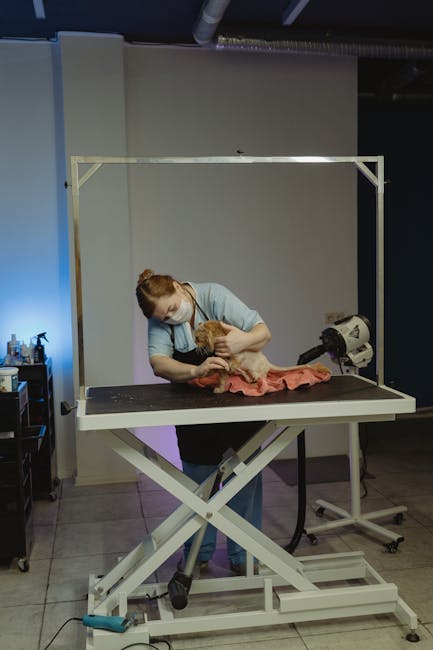
While you can handle many aspects of pet hygiene at home, don’t hesitate to seek professional help from a veterinarian or groomer. Regular checkups with your veterinarian can help to identify and address any underlying health problems that may be affecting your pet’s hygiene. Professional groomers have the expertise and equipment to handle more complex grooming tasks, such as mat removal and specialized haircuts.
By following these comprehensive pet hygiene tips, you can help to keep your furry, feathered, or scaled companion clean, healthy, and happy for years to come.