Preparing Your Home for a Kitten’s Arrival: A Sanctuary of Safety and Fun
Before bringing your furry bundle of joy home, kitten-proof your living space. Think like a curious, tiny explorer with a penchant for mischief. Electrical cords are prime chewing targets; secure them with cord covers or keep them out of reach. Remove poisonous plants like lilies, poinsettias, and azaleas. Store household cleaners, medications, and insecticides in locked cabinets. Secure window blinds and curtains, as kittens can become entangled in their cords.
Provide a designated safe haven: a quiet, cozy space where your kitten can retreat and feel secure. This could be a cat carrier lined with soft bedding, a cardboard box, or a pet bed tucked away in a corner. Introduce the kitten to this space immediately upon arrival and encourage its use by placing treats or toys inside. This will be especially crucial during the initial settling-in period.
Nutrition for Growing Paws: Fueling Feline Vitality
Kittens require a diet specifically formulated for their rapid growth and development. Choose a high-quality kitten food that is rich in protein, essential fatty acids, and vitamins. Look for labels that clearly state “complete and balanced nutrition for kittens” and avoid generic brands that may lack the necessary nutrients.
Dry kibble is beneficial for dental health, helping to remove plaque and tartar as the kitten chews. Wet food offers increased hydration and can be particularly appealing to picky eaters. A combination of both wet and dry food is often ideal.
Feed your kitten frequently throughout the day. Young kittens (8-12 weeks) typically need to eat four times a day. As they grow, you can gradually reduce the frequency to twice a day by around six months of age. Always provide fresh, clean water in a readily accessible bowl. Avoid cow’s milk, as it can cause digestive upset.
Consult with your veterinarian to determine the appropriate amount of food to feed based on your kitten’s age, weight, and activity level. Overfeeding can lead to obesity, which can have serious health consequences later in life.
Litter Box Logistics: Mastering Feline Hygiene
Choosing the right litter box and litter is crucial for establishing good litter box habits. Opt for a low-sided litter box that is easy for the kitten to access. Avoid covered litter boxes initially, as some kittens may feel trapped inside.
Experiment with different types of litter to find one that your kitten prefers. Common options include clumping clay litter, non-clumping clay litter, and alternative litters made from paper, wood, or corn. Avoid scented litters, as they can be irritating to some kittens.
Place the litter box in a quiet, easily accessible location away from food and water. Ensure the kitten can easily find the litter box, especially during the initial days in its new home.
Clean the litter box daily to remove urine and feces. A clean litter box is more appealing to cats and helps prevent odor buildup. Completely empty and clean the litter box weekly with mild soap and water.
If your kitten starts eliminating outside the litter box, consult with your veterinarian to rule out any underlying medical conditions. Stress, changes in routine, or an aversion to the litter box can also contribute to inappropriate elimination.
Scratching Post Strategies: Protecting Your Furniture and Satisfying Natural Instincts
Scratching is a natural and essential behavior for cats. It helps them to sharpen their claws, stretch their muscles, and mark their territory. Providing appropriate scratching surfaces is crucial for preventing damage to furniture and other household items.
Offer a variety of scratching posts, including vertical posts, horizontal pads, and corrugated cardboard scratchers. Place the scratching posts in areas where your kitten spends the most time, such as near sleeping areas and doorways.
Encourage your kitten to use the scratching post by sprinkling it with catnip or rubbing it with catnip oil. You can also gently guide your kitten’s paws onto the scratching post to demonstrate its purpose.
If your kitten scratches furniture, redirect its attention to the scratching post. You can place double-sided tape or aluminum foil on the furniture to deter scratching. Never punish your kitten for scratching, as this can create anxiety and lead to other behavioral problems.
Playtime and Enrichment: Keeping Your Kitten Engaged and Entertained
Kittens are naturally playful and curious. Providing plenty of opportunities for play and enrichment is essential for their physical and mental well-being.
Offer a variety of toys, including interactive toys, puzzle toys, and chase toys. Rotate the toys regularly to keep your kitten interested and engaged.
Engage in interactive play with your kitten daily. This can involve chasing a laser pointer, batting a feather wand, or playing with a catnip mouse. Interactive play helps to strengthen the bond between you and your kitten and provides valuable exercise.
Provide climbing opportunities, such as cat trees or shelves. Cats enjoy climbing and exploring vertical spaces.
Consider providing a window perch where your kitten can observe the outside world. Watching birds and squirrels can provide hours of entertainment.
Grooming Essentials: Maintaining a Healthy and Happy Coat
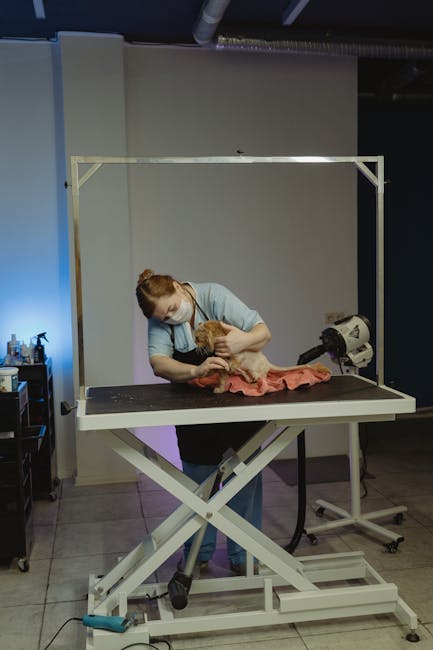
Regular grooming is essential for maintaining your kitten’s coat health and preventing matting. Start grooming your kitten from a young age to acclimate it to the process.
Brush your kitten several times a week with a soft-bristled brush. This helps to remove loose hair, prevent mats, and stimulate circulation.
Trim your kitten’s nails regularly to prevent them from becoming too long and sharp. Use a specialized cat nail clipper and be careful not to cut the quick (the pink part of the nail).
Bathe your kitten only when necessary. Cats are generally self-grooming animals and do not require frequent bathing. When bathing your kitten, use a cat-specific shampoo and avoid getting water in its ears.
Check your kitten’s ears regularly for signs of wax buildup or infection. Clean the ears with a cotton ball moistened with a cat-specific ear cleaner. Never insert cotton swabs into your kitten’s ear canal.
Veterinary Care: Prioritizing Preventative Health
Schedule a veterinary appointment for your kitten as soon as possible after bringing it home. Your veterinarian will perform a thorough physical examination, administer necessary vaccinations, and deworm your kitten.
Follow your veterinarian’s recommended vaccination schedule. Kittens typically require a series of vaccinations to protect them from common feline diseases, such as feline distemper, feline herpesvirus, and feline calicivirus.
Deworm your kitten regularly to prevent intestinal parasites. Your veterinarian can recommend an appropriate deworming medication based on your kitten’s age and weight.
Consider microchipping your kitten. A microchip is a small, electronic device that is implanted under the skin and can help to identify your kitten if it gets lost.
Spay or neuter your kitten at the appropriate age. Spaying or neutering helps to prevent unwanted pregnancies, reduce the risk of certain health problems, and improve your kitten’s overall behavior.
Socialization and Training: Shaping a Well-Adjusted Feline Friend
Socialization is the process of exposing your kitten to a variety of people, animals, and environments to help it develop into a well-adjusted and confident adult cat.
Expose your kitten to different sounds, sights, and smells. Take your kitten for short walks in a carrier or on a leash and harness.
Introduce your kitten to other pets gradually and under supervision. Supervise interactions closely to prevent aggression or injury.
Train your kitten using positive reinforcement techniques. Reward desired behaviors with treats, praise, or toys. Avoid punishment, as it can create anxiety and lead to behavioral problems.
Teach your kitten basic commands, such as “sit,” “stay,” and “come.” Use a clicker to mark desired behaviors and then reward your kitten.
Handle your kitten frequently and gently to help it become accustomed to human touch. Encourage friends and family members to handle your kitten as well. This fosters a well-socialized cat that enjoys human interaction.