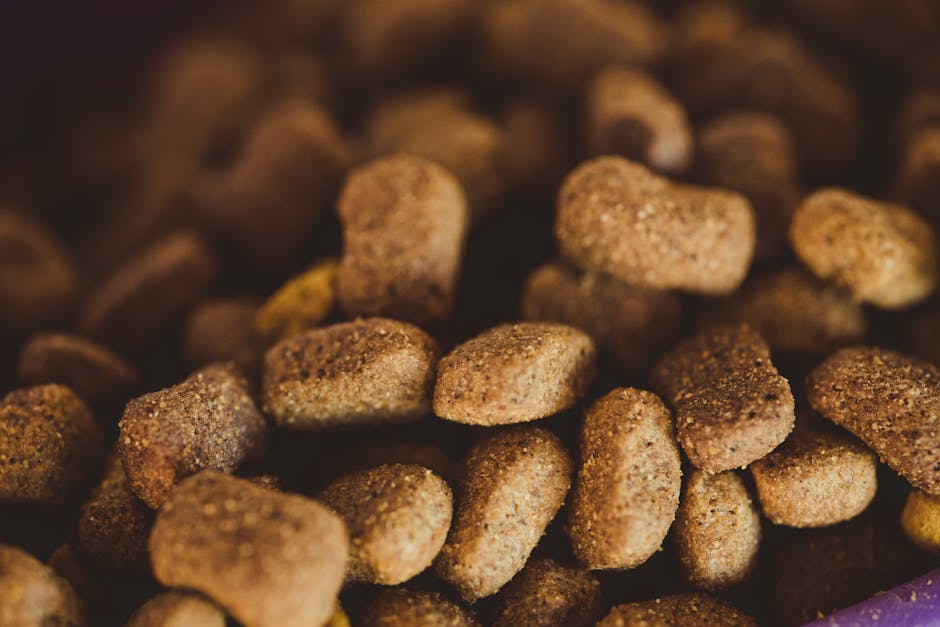
The Ultimate Cat Food Portion Guide: Feeding Your Feline Friend Right
Navigating the world of cat food portioning can feel like deciphering a complex code. With a plethora of brands, formulations, and individual cat needs to consider, it’s easy to feel overwhelmed. This guide aims to demystify the process, providing you with the tools and knowledge to ensure your cat receives the right amount of food for optimal health and well-being. We’ll delve into the crucial factors influencing portion sizes, explore different feeding methods, and offer practical tips for monitoring your cat’s weight and adjusting their diet accordingly.
I. Understanding the Importance of Proper Portion Control
Overfeeding and underfeeding both pose significant risks to your cat’s health. Overfeeding leads to obesity, which can trigger a cascade of health problems, including:
- Diabetes Mellitus: Excess weight increases insulin resistance, potentially leading to diabetes.
- Arthritis: Added stress on joints accelerates cartilage breakdown, resulting in pain and reduced mobility.
- Heart Disease: Obesity strains the cardiovascular system, increasing the risk of heart disease.
- Hepatic Lipidosis (Fatty Liver Disease): An accumulation of fat in the liver, particularly in obese cats who suddenly stop eating.
- Reduced Lifespan: Studies demonstrate that obese cats have shorter lifespans compared to cats maintained at a healthy weight.
Underfeeding, on the other hand, can result in:
- Malnutrition: Insufficient intake of essential nutrients can impair growth, weaken the immune system, and lead to various health deficiencies.
- Muscle Loss: The body starts breaking down muscle tissue for energy when calorie intake is inadequate.
- Weakened Immune System: Lack of proper nutrition compromises the immune system, making the cat more susceptible to infections.
- Delayed Wound Healing: Nutrient deficiencies impair the body’s ability to repair itself.
Therefore, finding the sweet spot in portion control is paramount to ensuring your cat’s long-term health and happiness.
II. Key Factors Influencing Cat Food Portions
Determining the appropriate portion size for your cat involves considering several interconnected factors:
- Age: Kittens require significantly more calories than adult cats to support their rapid growth. Senior cats may need fewer calories due to decreased activity levels and slower metabolisms. Kitten food formulas also differ in nutritional composition, being more calorie-dense.
- Weight: A healthy weight is crucial. Obese cats require fewer calories than they are currently consuming, while underweight cats need more. Use a body condition score (BCS) chart (available online) to assess your cat’s weight. The ideal BCS is generally a 5 out of 9, where you can easily feel the ribs without excessive fat covering.
- Activity Level: Active, outdoor cats burn more calories than sedentary, indoor cats. Adjust portion sizes accordingly. Cats who engage in frequent play sessions or spend time hunting outdoors need more fuel.
- Type of Food (Dry vs. Wet): Dry food is typically more calorie-dense than wet food. Carefully read the feeding guidelines on the food packaging, as they vary significantly. Consider that a half-cup of one dry food might contain considerably more calories than a half-cup of another.
- Health Conditions: Cats with certain health conditions, such as hyperthyroidism or kidney disease, may require specific dietary adjustments. Consult with your veterinarian to determine the appropriate food and portion sizes.
- Metabolism: Individual cats have varying metabolisms. Some cats naturally burn calories faster than others. This is largely impacted by genetics and should be considered when making feeding adjustments.
- Spayed/Neutered Status: Spaying or neutering can slow down a cat’s metabolism, making them more prone to weight gain. Reduced portion sizes may be necessary after the procedure.
- Breed: While breed plays a less significant role compared to other factors, some breeds are naturally more prone to weight gain than others.
III. Decoding Cat Food Labels and Feeding Guidelines
Cat food labels are a vital source of information, but they can also be confusing. Here’s how to interpret them:
- Guaranteed Analysis: This section lists the minimum percentages of crude protein, crude fat, and maximum percentages of crude fiber and moisture. These values provide a basic understanding of the food’s macronutrient composition.
- Ingredient List: Ingredients are listed in descending order by weight. Look for high-quality protein sources (e.g., chicken, turkey, fish) as the primary ingredients.
- Feeding Guidelines: These are general recommendations based on the cat’s weight. They are often presented as a range (e.g., 1/4 to 1/2 cup per day). Remember that these are just starting points and need to be adjusted based on your cat’s individual needs.
- Calorie Content (kcal/cup or kcal/kg): This is perhaps the most important piece of information for portion control. Use this value to calculate the precise number of calories your cat needs and adjust the portion size accordingly.
IV. Calculating Your Cat’s Daily Calorie Needs
While your veterinarian is the best resource for individualized recommendations, you can estimate your cat’s daily calorie needs using the following formula (simplified):
-
Resting Energy Requirement (RER): (Body weight in kilograms ^ 0.75) x 70 = RER in calories
-
Daily Energy Requirement (DER): RER x Life Stage Factor = DER in calories
- Life Stage Factors:
- Inactive/Obese-Prone: 1.0
- Adult, Neutered: 1.2
- Adult, Intact: 1.4
- Kitten (up to 6 months): 2.5
- Kitten (6-12 months): 2.0
- Pregnant: 3.0
- Lactating: 4.0
*Example: A neutered adult cat weighing 4 kg (8.8 lbs)
(4^0.75) x 70 = 197.99 (RER)
197.99 x 1.2 = 237.59 (DER) - Life Stage Factors:
V. Choosing a Feeding Method: Scheduled Meals vs. Free-Feeding
-
Scheduled Meals: Involve providing your cat with a measured portion of food at specific times of the day. This method offers greater control over calorie intake and allows you to monitor your cat’s appetite closely. It’s particularly beneficial for multi-cat households to prevent food competition and ensure each cat receives the correct amount.
-
Free-Feeding: Involves leaving food available for your cat to graze on throughout the day. This method can be convenient but makes it difficult to track calorie intake and can contribute to overeating, especially in less active cats. It’s generally not recommended, particularly for cats prone to weight gain.
VI. Practical Tips for Portion Control
- Use a Measuring Cup: Avoid estimating portion sizes. Invest in a standard measuring cup specifically for cat food.
- Weigh Your Cat Regularly: Monitor your cat’s weight every week or two to detect any significant changes. A digital kitchen scale works well for this purpose.
- Monitor Body Condition Score: Regularly assess your cat’s body condition score (BCS) to ensure they are maintaining a healthy weight.
- Adjust Portions Gradually: Make small adjustments to portion sizes based on your cat’s weight and body condition. Avoid drastic changes, as they can disrupt their digestive system.
- Factor in Treats: Treats contribute to your cat’s daily calorie intake. Reduce their main meal portion sizes accordingly to account for treats. Opt for low-calorie treats.
- Consult Your Veterinarian: Your veterinarian is the best resource for personalized feeding recommendations. Schedule regular checkups and discuss any concerns you have about your cat’s weight or diet.
VII. Dealing with Picky Eaters
Some cats are notoriously picky eaters, making portion control even more challenging. Here are some tips for dealing with picky eaters:
- Rule out Medical Issues: If your cat suddenly becomes picky, consult your veterinarian to rule out any underlying medical conditions.
- Experiment with Different Foods: Try different flavors, textures, and brands of cat food to find one your cat enjoys.
- Warm the Food: Warming the food slightly can enhance its aroma and make it more appealing.
- Add a Palatant: Sprinkle a small amount of tuna juice or nutritional yeast on the food to make it more enticing.
- Offer Small, Frequent Meals: Some picky eaters prefer smaller meals offered more frequently throughout the day.
- Avoid Free-Feeding: Stick to scheduled meals to encourage your cat to eat when food is offered.
VIII. Troubleshooting Common Feeding Issues
- Cat is Always Hungry: If your cat is constantly begging for food, even after eating their allocated portion, ensure they are receiving enough protein and fiber in their diet. Consult your veterinarian to rule out medical conditions. Consider adding vegetables like pumpkin or green beans to their diet to increase satiety.
- Cat is Leaving Food in the Bowl: If your cat is consistently leaving food in the bowl, reduce their portion size accordingly to prevent food waste.
- Cat is Gaining Weight: Gradually reduce your cat’s portion sizes and increase their activity level through play.
- Cat is Losing Weight: Increase your cat’s portion sizes or switch to a more calorie-dense food. Consult your veterinarian to rule out medical conditions.
By understanding the factors influencing portion sizes, carefully reading food labels, monitoring your cat’s weight and body condition, and consulting with your veterinarian, you can ensure your feline friend receives the right amount of food for a long, healthy, and happy life. Remember that consistency and observation are key to successful cat food portion control.