Puppy Obedience: Laying the Foundation for Good Behavior
Crate Training: Your Puppy’s Safe Haven
Crate training is often misunderstood, but when implemented correctly, it becomes an invaluable tool for both you and your puppy. Think of the crate as your puppy’s bedroom, a safe and comfortable den where they can relax and feel secure. This isn’t punishment; it’s a positive association with a defined space.
Begin by introducing the crate gradually. Leave the door open and place treats, toys, and comfortable bedding inside. Encourage your puppy to explore it at their own pace. Never force them inside, as this will create negative associations. Use positive reinforcement – praise and treats – whenever they enter. Feed them their meals inside the crate to further solidify its positive connection.
Start with short periods of crating, gradually increasing the duration as your puppy becomes more comfortable. A good rule of thumb is to start with 10-15 minutes and slowly work your way up to several hours. Avoid crating for excessive lengths of time, especially when they are young. Puppies need to relieve themselves frequently. Remember to take them outside immediately after they come out of the crate.
Whining is a common occurrence during crate training. Resist the urge to immediately let them out when they whine, as this reinforces the behavior. Instead, ignore the whining (unless you suspect they need to eliminate) and reward them with praise and a treat when they are quiet. If the whining persists, ensure they have been properly exercised and have access to water. Over time, they will learn that quiet time in the crate is rewarded.
Potty Training: Establishing a Consistent Routine
Potty training is crucial for a harmonious household. Consistency and patience are key to success. Establish a regular potty break schedule, taking your puppy out first thing in the morning, after meals, after naps, after playtime, and before bedtime. Choose a designated potty spot in your yard and consistently take them to that area.
Use a specific command, such as “Go potty,” to associate the act of elimination with a verbal cue. When your puppy eliminates in the designated spot, praise them enthusiastically and offer a treat. This positive reinforcement will help them understand what is expected.
Accidents are inevitable. When an accident happens inside, clean it up thoroughly with an enzymatic cleaner designed to eliminate pet odors. This will prevent them from being attracted to the same spot again. Avoid punishing your puppy for accidents, as this can create fear and anxiety, hindering the potty training process. Instead, focus on reinforcing positive behaviors when they eliminate outside.
Supervise your puppy closely when they are indoors. Watch for signs that they need to go out, such as circling, sniffing, or squatting. If you see these signs, immediately take them to their designated potty spot.
Crate training can significantly aid in potty training. Puppies naturally avoid eliminating where they sleep. Therefore, a properly sized crate can help them develop bladder control and learn to hold it until they are taken outside.
Basic Commands: Sit, Stay, Come, Down
These four commands form the cornerstone of puppy obedience. Start training in a quiet, distraction-free environment. Keep training sessions short, positive, and engaging. Use high-value treats to motivate your puppy.
-
Sit: Hold a treat near your puppy’s nose and slowly move it upwards and backwards towards their forehead. As they follow the treat, their rear end should naturally lower into a sit. As soon as they sit, say “Sit,” give them the treat, and offer enthusiastic praise. Repeat this process several times. Gradually fade the lure of the treat and start using the verbal command “Sit” with a hand gesture.
-
Stay: Once your puppy knows “Sit,” you can introduce “Stay.” Have your puppy sit, then say “Stay” in a firm but gentle voice. Initially, only ask them to stay for a second or two. Gradually increase the duration as they become more successful. If they break the stay, calmly say “No” and start again. Reward them generously for holding the stay.
-
Come: This is a crucial command for recall and safety. Start by saying your puppy’s name followed by “Come” in an enthusiastic and inviting tone. As they come to you, reward them with praise and a treat. If they hesitate, gently encourage them with a pat on the leg. Gradually increase the distance between you and your puppy. Practice recall in different environments and with distractions.
-
Down: Hold a treat near your puppy’s nose and slowly lower it towards the ground. As they follow the treat, they should naturally lower themselves into a down position. Once they are down, say “Down,” give them the treat, and offer praise. You can also lure them under your leg to encourage the down position. Gradually fade the lure of the treat and start using the verbal command “Down” with a hand gesture.
Leash Training: Mastering the Walk
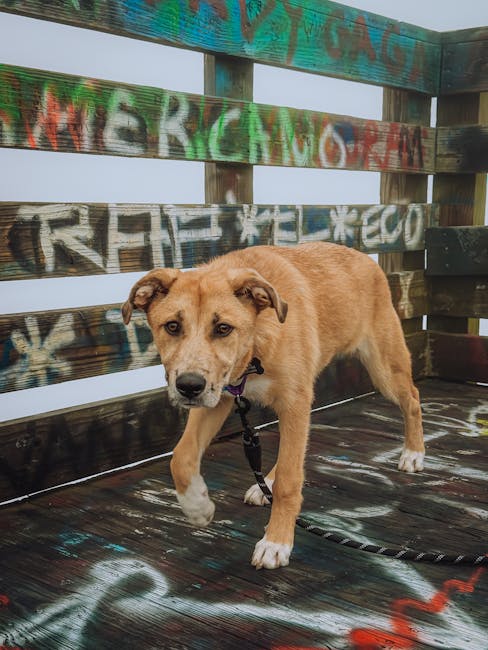
Leash training is essential for safe and enjoyable walks. Introduce the leash and collar gradually. Let your puppy wear the collar for short periods initially, gradually increasing the duration as they become comfortable. Attach the leash and allow them to drag it around the house under supervision.
Once they are comfortable with the leash, start walking with them in a quiet area. Use treats to lure them forward if they hesitate. Keep the leash loose and avoid pulling or jerking. If they pull, stop walking and wait for them to stop pulling before continuing. Reward them for walking nicely beside you.
Gradually introduce more distractions as your puppy becomes more proficient. Practice walking in different environments, such as parks and sidewalks. Teach them to walk politely past other people and dogs.
Socialization: Exposing Your Puppy to the World
Socialization is crucial for developing a well-adjusted and confident dog. Expose your puppy to a variety of sights, sounds, people, and other animals in a safe and controlled manner. Early socialization helps prevent fear and aggression later in life.
Start with gentle introductions to new experiences. Take them to quiet parks, introduce them to friendly people, and expose them to different sounds and smells. Ensure that all interactions are positive and rewarding.
Enroll your puppy in a puppy socialization class. These classes provide a safe and structured environment for puppies to interact with each other under the guidance of a qualified trainer.
Be mindful of your puppy’s comfort level. If they seem scared or overwhelmed, remove them from the situation and try again later with a more gradual approach. Never force them into interactions they are not comfortable with.
Addressing Problem Behaviors: Biting, Chewing, and Jumping
Puppies explore the world with their mouths, so biting and chewing are normal behaviors. However, it’s important to teach them appropriate bite inhibition and redirect their chewing to acceptable items.
If your puppy bites you, yelp loudly and withdraw your attention. This mimics how another puppy would react and teaches them that biting too hard results in the end of playtime. Redirect their chewing to appropriate chew toys, such as Kongs, Nylabones, or rope toys.
Jumping is often a sign of excitement and attention-seeking. To discourage jumping, ignore your puppy when they jump up. Turn your back and avoid eye contact. Only give them attention when they have all four paws on the ground. You can also teach them an alternative behavior, such as “Sit,” to greet people.
Consistency and Patience: The Cornerstones of Success
Puppy obedience training requires consistency and patience. Every member of the household should use the same commands and training methods. Be patient with your puppy and celebrate their successes.
Remember that puppies have short attention spans, so keep training sessions short and engaging. End each session on a positive note.
Don’t get discouraged if your puppy has setbacks. Every puppy learns at their own pace. With consistent effort and positive reinforcement, you can lay the foundation for a well-behaved and happy companion.