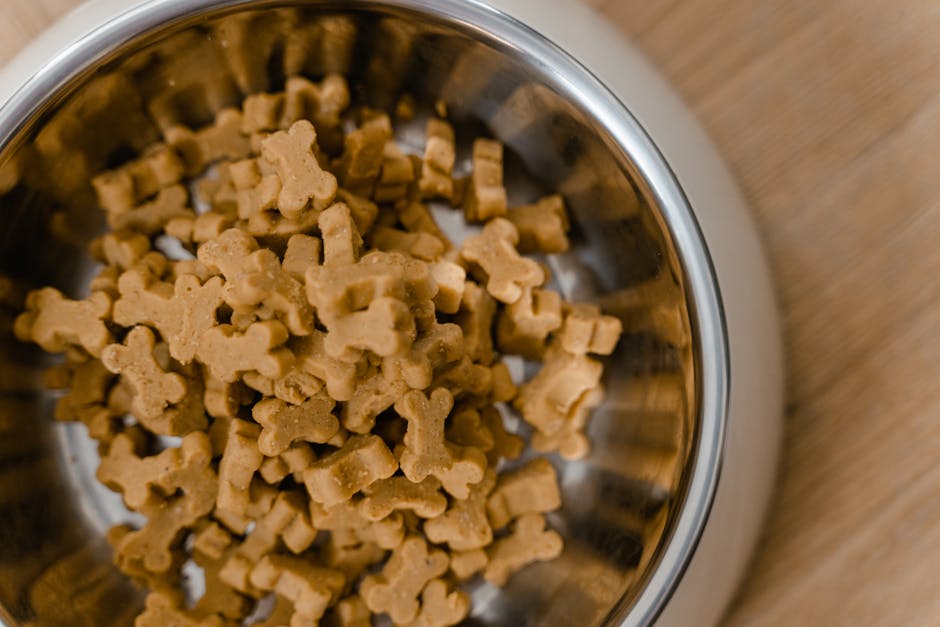
Understanding Your Pet’s Nutritional Needs: A Beginner’s Guide
The cornerstone of a long, healthy, and happy life for your pet is proper nutrition. Navigating the world of pet food can feel overwhelming, with a vast array of brands, ingredients, and marketing claims vying for your attention. This guide will break down the essentials of pet nutrition, helping you make informed decisions that cater to your individual pet’s specific needs.
Species-Specific Diets: Tailoring Nutrition to Your Pet
The most fundamental principle is understanding that different species have vastly different nutritional requirements. A dog is not a cat, and a rabbit is not a hamster. Feeding your pet a diet formulated for another species can lead to serious health problems.
- Dogs: Dogs are classified as omnivores, meaning they can derive nutrients from both plant and animal sources. While meat is a crucial component of their diet, they also benefit from vegetables, fruits, and grains. A high-quality dog food will contain a balanced blend of proteins, fats, carbohydrates, vitamins, and minerals. Breed, age, activity level, and health condition are all factors influencing the specific ratios needed.
- Cats: Cats are obligate carnivores, meaning they require nutrients primarily found in animal tissues. Their bodies are not well-equipped to digest plant-based foods. Taurine, an essential amino acid found only in animal products, is vital for heart health and vision in cats. A cat food lacking sufficient taurine can lead to serious, irreversible health problems.
- Small Mammals (Rabbits, Guinea Pigs, Hamsters, etc.): These herbivores require a diet rich in fiber. Hay should form the bulk of their diet, supplemented with fresh vegetables and a small amount of commercial pellets specifically formulated for their species. Avoid sugary treats and excessive fruits, which can disrupt their delicate digestive systems.
- Birds: Birds’ nutritional needs vary dramatically depending on the species. Seed-based diets are often deficient in essential vitamins and minerals. A balanced diet for most pet birds includes a combination of high-quality formulated pellets, fresh fruits, vegetables, and occasional treats.
Decoding the Pet Food Label: What to Look For
Understanding how to read a pet food label is crucial for making informed choices. Here’s a breakdown of the key sections:
- Ingredient List: Ingredients are listed in descending order by weight, meaning the first ingredient makes up the largest portion of the food. Look for a named protein source (e.g., “chicken,” “beef,” “salmon”) as the first ingredient. Avoid foods where the first ingredient is a filler like “corn” or “wheat.” Be wary of vague terms like “meat meal” without specifying the animal source.
- Guaranteed Analysis: This section provides the minimum percentage of crude protein and crude fat, and the maximum percentage of crude fiber and moisture. While it gives a general overview, it doesn’t reveal the quality or digestibility of these nutrients. Focus on the dry matter basis (after moisture is removed) for a more accurate comparison between different foods.
- AAFCO Statement: The Association of American Feed Control Officials (AAFCO) statement indicates whether the food is “complete and balanced” for a specific life stage (e.g., growth, adult maintenance, all life stages). This means the food meets the minimum nutritional requirements established by AAFCO for that life stage. However, “complete and balanced” doesn’t necessarily guarantee the highest quality ingredients.
- Feeding Guidelines: These guidelines provide suggested feeding amounts based on your pet’s weight. However, these are just starting points. Monitor your pet’s body condition and adjust the feeding amount accordingly.
Choosing the Right Food: Factors to Consider
Selecting the right pet food involves considering several factors specific to your pet:
- Life Stage: Puppies and kittens require diets higher in protein and calories to support growth and development. Senior pets often benefit from diets with lower calories and added joint support supplements.
- Breed: Certain breeds are predisposed to specific health conditions that can be managed through diet. For example, large breed puppies benefit from diets specifically formulated to control growth rate and prevent joint problems.
- Activity Level: Active pets require more calories than sedentary pets. Adjust the feeding amount to maintain a healthy weight.
- Health Conditions: If your pet has any underlying health conditions, such as allergies, diabetes, or kidney disease, consult with your veterinarian to determine the appropriate dietary modifications. Therapeutic diets formulated specifically for these conditions can help manage symptoms and improve quality of life.
- Ingredient Sensitivities: If your pet has food allergies or sensitivities, you’ll need to carefully examine ingredient lists to identify and avoid trigger ingredients. Common allergens include beef, chicken, dairy, wheat, and soy.
Dry, Wet, or Raw: Understanding Food Formats
Pet food comes in various formats, each with its own advantages and disadvantages:
- Dry Food (Kibble): Convenient, affordable, and helps promote dental health through chewing. Look for high-quality kibble with minimal fillers and a good balance of nutrients.
- Wet Food (Canned): Higher moisture content, which can be beneficial for pets with kidney problems or those who don’t drink enough water. Often more palatable than dry food, making it a good option for picky eaters. However, it can be more expensive and requires refrigeration after opening.
- Raw Food: Composed of raw meat, bones, and organs. Proponents believe it mimics the natural diet of wild animals. However, raw food diets carry a risk of bacterial contamination (e.g., Salmonella, E. coli) that can pose a health risk to both pets and humans. If considering a raw food diet, consult with a veterinarian and take strict hygiene precautions.
The Importance of Treats and Supplements
Treats should be given in moderation and should not constitute more than 10% of your pet’s daily caloric intake. Choose healthy treats with minimal added sugar, salt, and artificial ingredients.
Supplements should only be given under the guidance of a veterinarian. While some supplements, such as omega-3 fatty acids and glucosamine, can be beneficial for certain conditions, others can be harmful if given inappropriately.
Hydration is Key: Providing Fresh Water
Always provide your pet with access to fresh, clean water. Dehydration can lead to serious health problems. Encourage water consumption by providing multiple water bowls around the house and considering a pet water fountain.
Monitoring Body Condition: Adjusting the Diet
Regularly assess your pet’s body condition to ensure they are maintaining a healthy weight. You should be able to feel their ribs easily but not see them. A visible waistline is also a good indicator of healthy weight. If your pet is overweight or underweight, adjust their diet accordingly. Consult with your veterinarian if you have concerns about your pet’s weight.
Transitioning to a New Food: Gradual Changes are Best
When switching to a new food, do so gradually over a period of 7-10 days. Mix small amounts of the new food with the old food, gradually increasing the proportion of the new food over time. This helps prevent digestive upset.
Seeking Professional Guidance: Consult with Your Veterinarian
The best way to ensure your pet is receiving optimal nutrition is to consult with your veterinarian. They can assess your pet’s individual needs and recommend a diet that is tailored to their specific requirements. They can also help you identify any potential nutritional deficiencies or imbalances and recommend appropriate interventions. Remember that online advice, while helpful, cannot replace the personalized guidance of a veterinary professional.