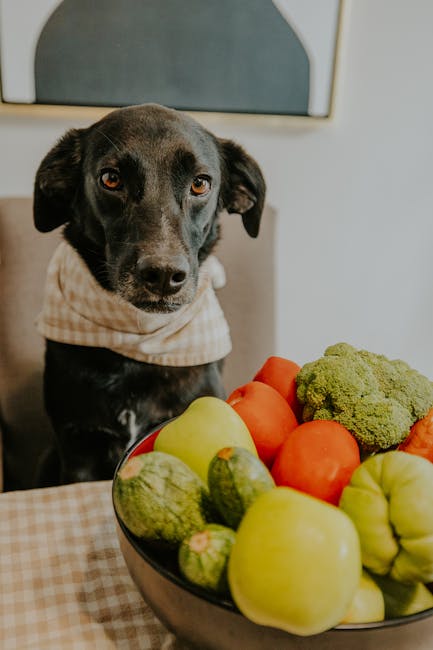
Healthy Treats for Dogs: A Guide to Nutritious Rewards
Understanding the Importance of Healthy Dog Treats
Treats are an integral part of positive reinforcement training and strengthening the bond between you and your canine companion. However, not all treats are created equal. Many commercially available options are laden with fillers, artificial colors, preservatives, and excessive sugar, contributing to weight gain, dental problems, and even health issues like allergies and diabetes. Choosing healthy treats is crucial for maintaining your dog’s overall well-being. The ideal dog treat is low in calories, made with wholesome ingredients, and contributes to your dog’s nutritional needs rather than detracting from them. It’s about finding a balance between rewarding good behavior and providing sustenance.
Single-Ingredient Treats: The Simplicity of Wholesome Nutrition
Single-ingredient treats offer transparency and minimize the risk of allergic reactions. They are also easy to portion and understand their nutritional content. Some excellent choices include:
-
Dehydrated Sweet Potato: Sweet potatoes are packed with Vitamin A, fiber, and antioxidants. Dehydration makes them a chewy and satisfying treat. Choose plain dehydrated sweet potato without added sugar or spices. The natural sweetness is enough.
-
Dehydrated Chicken Breast: A lean protein source, dehydrated chicken breast is highly palatable and a great reward for training. Ensure it’s sourced from high-quality chicken and is free from added sodium or preservatives.
-
Dehydrated Beef Liver: Beef liver is nutrient-dense, offering iron, copper, and B vitamins. Use it sparingly due to its richness, but it’s a powerful training tool. Look for grass-fed liver when possible.
-
Frozen Green Beans: A surprisingly satisfying treat, frozen green beans are low in calories and high in fiber. They offer a crunchy texture that many dogs enjoy. They are particularly good for overweight dogs.
-
Blueberries: These antioxidant-rich berries are a tasty and healthy snack. Feed in moderation due to their sugar content. Opt for fresh or frozen blueberries.
-
Carrot Sticks: Carrots are a great source of beta-carotene, which converts to Vitamin A in the body. Offer raw carrot sticks for a crunchy, teeth-cleaning treat.
Homemade Treat Recipes: Control Over Ingredients
Making your own dog treats allows you to control the ingredients and tailor them to your dog’s specific needs and preferences. Here are a few simple and healthy recipes:
-
Peanut Butter and Banana Bites: Combine one ripe banana (mashed), ¼ cup of unsweetened peanut butter (xylitol-free!), and ½ cup of whole wheat flour (or oat flour for gluten-free). Mix well, roll into small balls, and bake at 350°F (175°C) for 12-15 minutes.
-
Pumpkin and Oat Dog Treats: Combine 1 cup of pumpkin puree (not pumpkin pie filling!), 2 cups of rolled oats, and 1 egg. Mix well and roll out the dough to about ¼ inch thickness. Use cookie cutters to create shapes and bake at 350°F (175°C) for 20-25 minutes.
-
Chicken and Rice Meatballs: Combine 1 cup of cooked chicken (shredded), ½ cup of cooked brown rice, and 1 egg. Mix well, roll into small meatballs, and bake at 375°F (190°C) for 15-20 minutes.
-
Apple and Cinnamon Dog Treats: Combine 1 cup of grated apple, 1 cup of whole wheat flour (or oat flour), ½ teaspoon of cinnamon, and ¼ cup of water. Mix well, roll out the dough, cut into shapes, and bake at 350°F (175°C) for 20-25 minutes.
Treats for Specific Dietary Needs
Some dogs have specific dietary needs due to allergies, sensitivities, or health conditions. Tailoring treats to these needs is essential.
-
Grain-Free Treats: For dogs with grain allergies, choose treats made with alternative flours like oat flour, almond flour, or coconut flour. Many commercially available grain-free options are also suitable.
-
Hypoallergenic Treats: If your dog has multiple allergies, consider hydrolyzed protein treats. These contain proteins that have been broken down into smaller pieces, making them less likely to trigger an allergic reaction.
-
Low-Fat Treats: For dogs prone to pancreatitis or overweight dogs, opt for low-fat treats like frozen green beans, carrots, or lean protein jerky.
-
Dental Treats: Look for dental chews designed to help remove plaque and tartar buildup. Choose reputable brands with scientifically proven effectiveness.
Safe and Unsafe Ingredients: What to Avoid
Knowing which ingredients to avoid is just as important as knowing which ones are beneficial. Some common ingredients found in commercial dog treats can be harmful.
-
Xylitol: This artificial sweetener is extremely toxic to dogs and can cause liver failure and death. Always check ingredient lists carefully.
-
Chocolate: Contains theobromine, which is toxic to dogs. The darker the chocolate, the more toxic it is.
-
Grapes and Raisins: Can cause kidney failure in dogs.
-
Onions and Garlic: Can damage red blood cells and lead to anemia.
-
Artificial Colors and Preservatives: Can trigger allergies and sensitivities. Look for treats with natural colors and preservatives like Vitamin E or Rosemary Extract.
-
Excessive Sugar and Salt: Contributes to weight gain, dental problems, and other health issues.
Treat Timing and Portion Control: Maintaining a Healthy Weight
Treats should only make up a small percentage of your dog’s daily calorie intake, ideally no more than 10%. Factor treats into your dog’s daily meal allowance to prevent overfeeding. Use treats as a reward during training sessions, but keep them small and use positive reinforcement liberally. Avoid giving treats out of boredom or guilt.
Storing Homemade Treats Properly
Proper storage is essential to prevent spoilage and maintain the quality of homemade treats. Store treats in airtight containers in the refrigerator for up to a week or in the freezer for up to a month. Dehydrated treats can be stored in airtight containers at room temperature for several weeks.
Consulting with Your Veterinarian
Before making significant changes to your dog’s diet, including treat choices, consult with your veterinarian. They can provide personalized recommendations based on your dog’s age, breed, health condition, and activity level. They can also help you identify any potential allergies or sensitivities.
DIY Dehydrating for Dog Treats
Investing in a food dehydrator opens up a world of healthy treat possibilities. You can easily dehydrate fruits, vegetables, and meats to create nutritious and long-lasting treats. Ensure you follow proper food safety guidelines when dehydrating meats to prevent bacterial growth. Proper temperatures and drying times are crucial.
Understanding Dog Food Labels
Learning to decipher dog food labels is essential to choosing healthy treats. Pay attention to the order of ingredients, as they are listed by weight. The first few ingredients make up the bulk of the treat. Look for treats with whole food ingredients like meat, fruits, and vegetables, rather than fillers like corn, wheat, and soy.
Treat Puzzle Toys
Combining treats with puzzle toys can provide mental stimulation and slow down eating. These toys require your dog to work for their reward, making treat time more engaging and beneficial.